
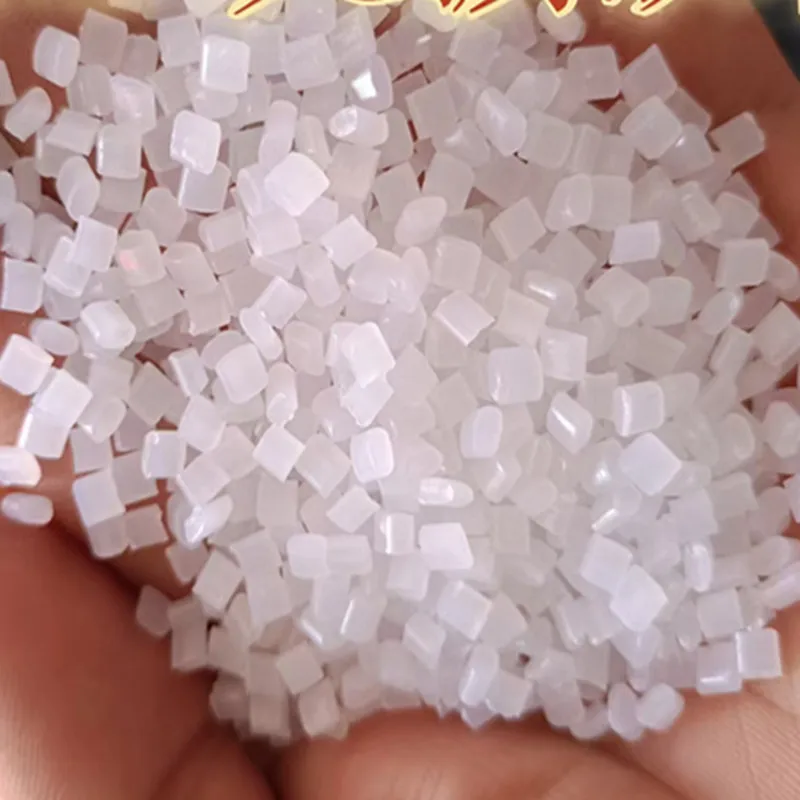
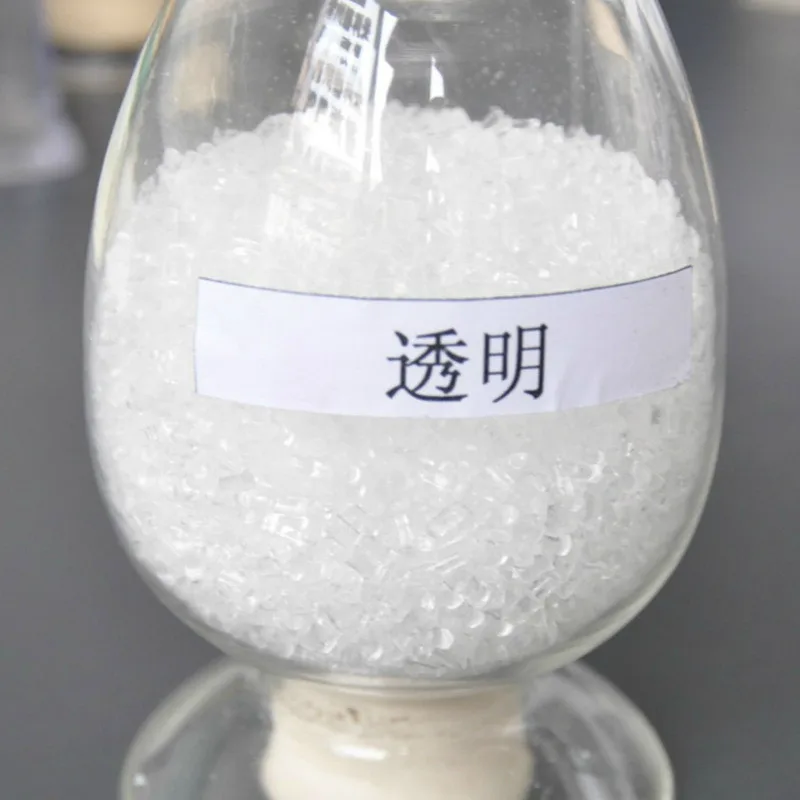
PMMA CM-205 CM-211 CM-207 80N 982j 560F SR8500 v150 P-611 V825 SG7 SG10 V920 гранулы
- Категория товара: PMMA >>>
- Поставщик (Оптовый магазин): Qingdao,Hourun,Import,And,Export,Co.,Ltd.
Поделиться:
Описание и отзывы
Характеристики
Product Description
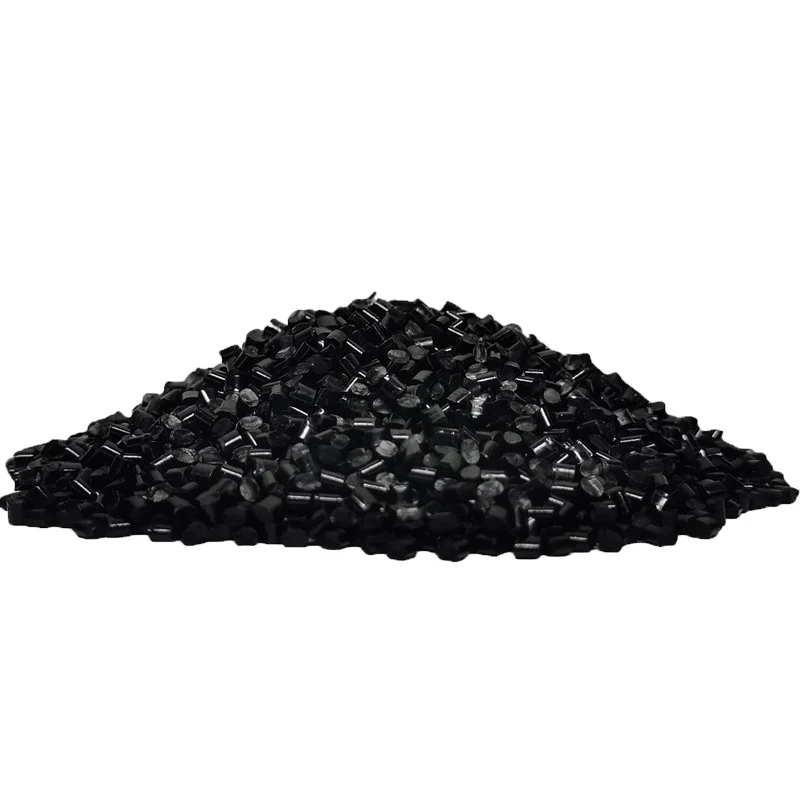
PMMA CM-205 CM-211 CM-207 80N 982j 560F SR8500 v150 P-611 V825 SG7 SG10 V920 resin granules pellets PMMA
PMMA product introduction :PMMA polymethyl methacrylate, English name Polymethylmethacrylate, referred to as PMMA, commonly known as organic glass, acrylic or sub-addition, is obtained by methylmethacrylate free radical polymerization. PMMA is an important thermoplastic developed earlier, with good transparency, chemical stability and weather resistance, easy dyeing, easy processing, beautiful appearance, and has a wide range of applications in the construction industry.
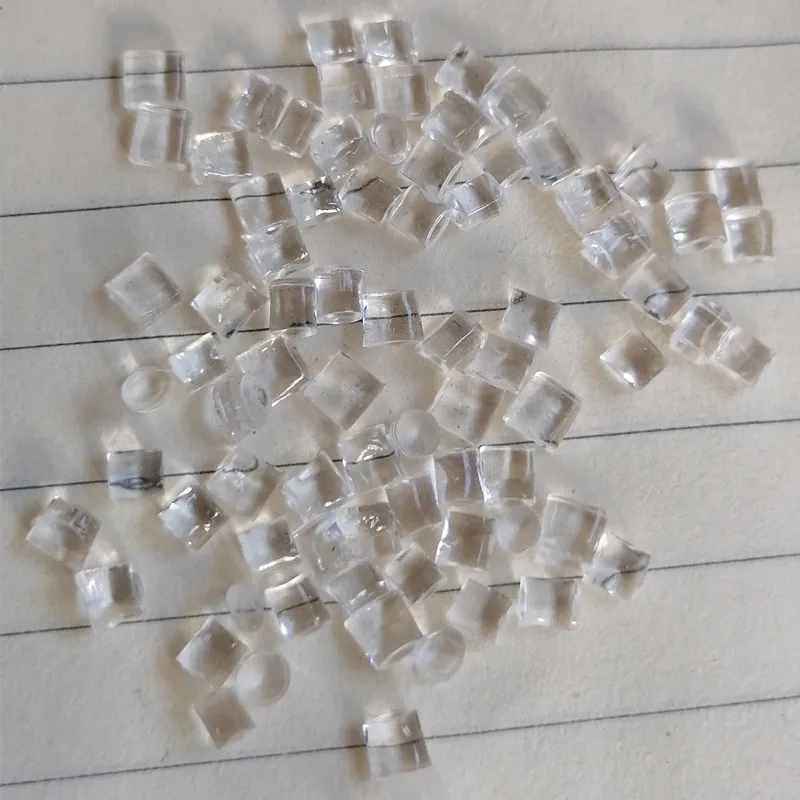
PMMA is a colorless transparent glass. It is the most excellent polymer transparent material at present. The transmittance of visible light reaches 92%, which is higher than the transmittance of glass. The thermal denaturation temperature is between 74°C~102°c, the density is 1.14-1.20g /cc, and the molding shrinkage rate is 0.2-0.8%.
PMMA has the advantages of light weight, low price, easy to form, soluble in organic solvents, such as phenol, benzene wake, etc.,through spin coating can form a good film, has good dielectric properties, can be used as a field effect transistor (OFET), also known as organic thin film transistor (OTFT) dielectric layer.
PMMA application areas:
Lighting equipment products: household lamps, fluorescent lampshades, car taillights, signal lights, road signs, etc
Optical glass products: lens, mirror, prism, TV screen, Fresnel lens, camera transparent lens, etc
Other: INSTRUMENT parts, OPTICAL fiber, advertising Windows, aircraft/car bulletproof glass, a variety of medical materials, military materials, architectural glass products
PMMA is a colorless transparent glass. It is the most excellent polymer transparent material at present. The transmittance of visible light reaches 92%, which is higher than the transmittance of glass. The thermal denaturation temperature is between 74°C~102°c, the density is 1.14-1.20g /cc, and the molding shrinkage rate is 0.2-0.8%.
PMMA has the advantages of light weight, low price, easy to form, soluble in organic solvents, such as phenol, benzene wake, etc.,through spin coating can form a good film, has good dielectric properties, can be used as a field effect transistor (OFET), also known as organic thin film transistor (OTFT) dielectric layer.
PMMA application areas:
Lighting equipment products: household lamps, fluorescent lampshades, car taillights, signal lights, road signs, etc
Optical glass products: lens, mirror, prism, TV screen, Fresnel lens, camera transparent lens, etc
Other: INSTRUMENT parts, OPTICAL fiber, advertising Windows, aircraft/car bulletproof glass, a variety of medical materials, military materials, architectural glass products
Specification
item | value |
Place of Origin | China |
Shandong | |
Brand Name | CHIMEI |
Model Number | PMMA CM-205 CM-211 CM-207 |
Grade | Injectio/Extrusion/Film/Raffia Grade etc |
Properties 2: | Fire Retardant, MOS2, Conductive etc |
Chemical Name: | Polymethyl Methacrylate |
Promoter Composition: | Curing Agent |
Classification: | Hot Melt |
Color: | white/transparent |
Properties 1: | Reinforced with Glass Fiber, Toughness |
Advantage: | High Quality and Competitive Price |
Characteristic: | Weatherability |
Main Agent Composition: | Inorganic Adhesive Material |
Packing & Delivery


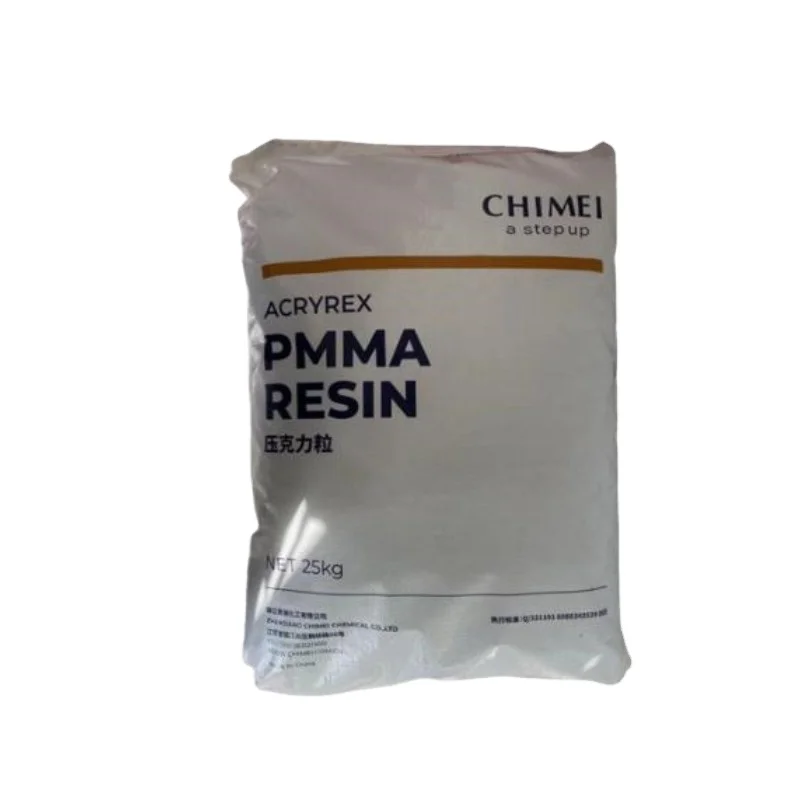
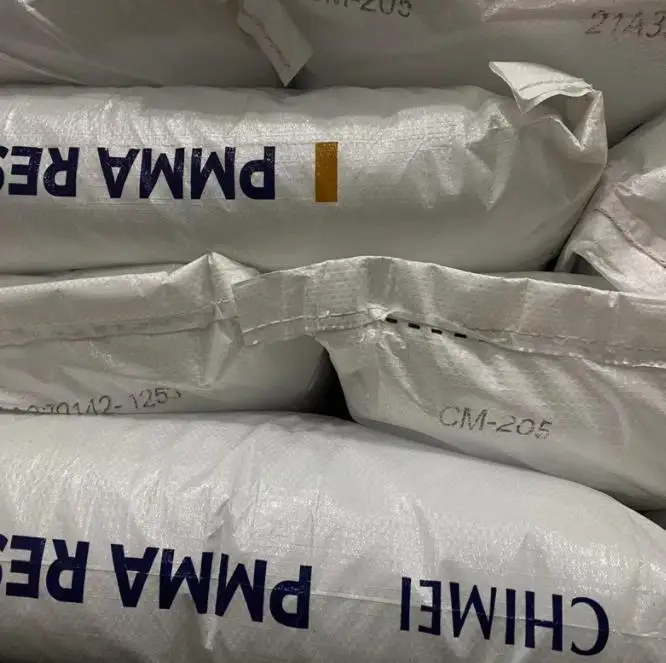
Packaging details:* 25kg/bag.
* Quantity under 500 kgs
Send with UPS, FedEx, DHL, EMS, or as per buyer's options.
* Quantity more than 500 kgs
Send with sea transportation. 17.6 tons/20'GP FCL with pallets, 20 tons/20'GP FCL without pallets
25 tons/40'HQ FCL with pallets, 28 tons/40'HQ FCL without pallets
Delivery details: shipped in 5-10 working days after receiving the payment
1.Samples leading time : 1-2 weeks after passing our test;
2.Bulk order leading time : 2-4 weeks ( customized materials)
3.Samples are delivered by FEDEX DHL ,TNT , UPS,Samples fee will be refund when the first bulk order comes
4.Payment Term: T/T or L/C at sight;
5.Minimum Order Quantity: 1 MT
6.Delivery Time: Lead-time is around 7-14 working days after we receive the advance payment. It varies according to different products and quantity.
7.The quality standard refers to the sample. And about quality issues we provide free tech-support
* Quantity under 500 kgs
Send with UPS, FedEx, DHL, EMS, or as per buyer's options.
* Quantity more than 500 kgs
Send with sea transportation. 17.6 tons/20'GP FCL with pallets, 20 tons/20'GP FCL without pallets
25 tons/40'HQ FCL with pallets, 28 tons/40'HQ FCL without pallets
Delivery details: shipped in 5-10 working days after receiving the payment
1.Samples leading time : 1-2 weeks after passing our test;
2.Bulk order leading time : 2-4 weeks ( customized materials)
3.Samples are delivered by FEDEX DHL ,TNT , UPS,Samples fee will be refund when the first bulk order comes
4.Payment Term: T/T or L/C at sight;
5.Minimum Order Quantity: 1 MT
6.Delivery Time: Lead-time is around 7-14 working days after we receive the advance payment. It varies according to different products and quantity.
7.The quality standard refers to the sample. And about quality issues we provide free tech-support
Company Profile
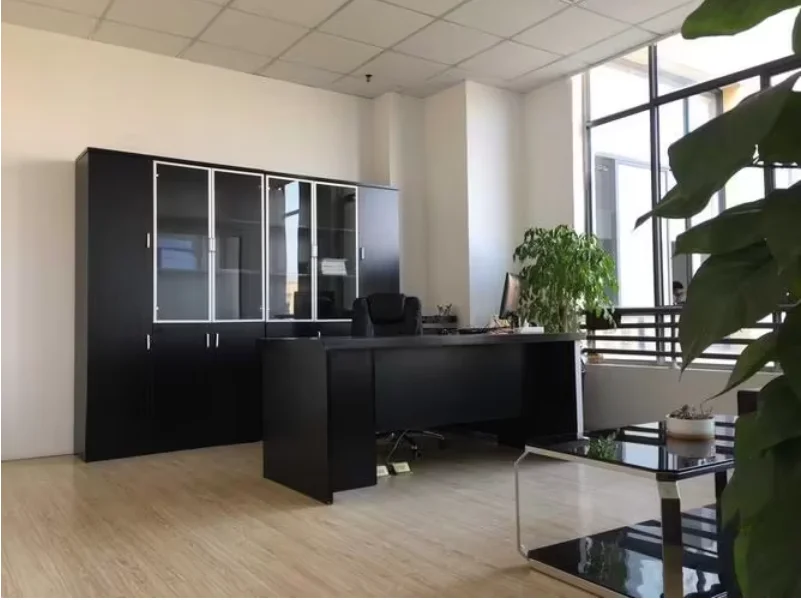
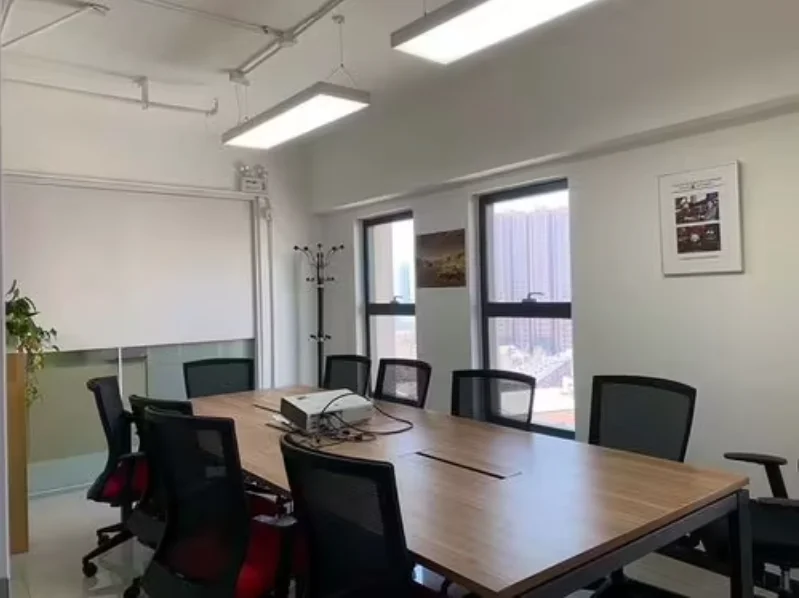
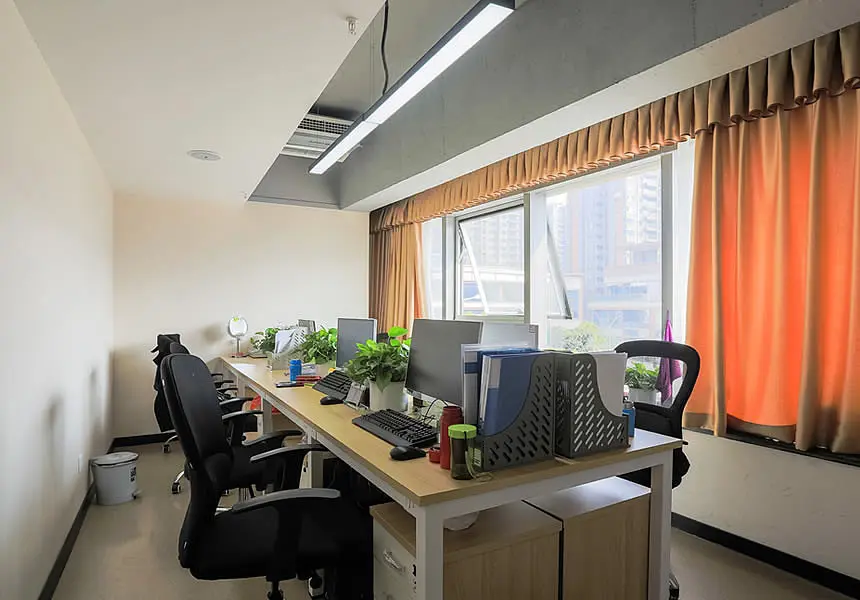
Qingdao Hourun Import and Export Co.,LTD is Located in qingdao city, shandong province, China.
We are a professional supplier of plastic granules in China. "Business reputation first" is our management principle, "integrity-based" is our service concept, we are dedicated to provide customers with the best products and the best service, and hope to cooperate with our customers and develop bilateral business.
We are a professional supplier of plastic granules in China. "Business reputation first" is our management principle, "integrity-based" is our service concept, we are dedicated to provide customers with the best products and the best service, and hope to cooperate with our customers and develop bilateral business.
FAQ
Q: Are you a factory or trading company?
A: We are one company integrated industry and trade. No matter the products we manufacture or trade, high quality products and competitive price always will be provided for you.
Q: How long have you run on export trade?
A: Long time our main market is in domestic,in order to meet our foreign customer requirements, we recently have set up a specially export departments, I also hope our products can enjoy the reputation in foreign countries, and hope to make more foreign customer friends!
Q: What's your payment terms?
A: We accept all payment TT,LC,DP,Paypal. But for first time, we only do TT.
Q: What's your delivery time?
A: Usually we will arrange the shipment in 7 -15 days.
A: We are one company integrated industry and trade. No matter the products we manufacture or trade, high quality products and competitive price always will be provided for you.
Q: How long have you run on export trade?
A: Long time our main market is in domestic,in order to meet our foreign customer requirements, we recently have set up a specially export departments, I also hope our products can enjoy the reputation in foreign countries, and hope to make more foreign customer friends!
Q: What's your payment terms?
A: We accept all payment TT,LC,DP,Paypal. But for first time, we only do TT.
Q: What's your delivery time?
A: Usually we will arrange the shipment in 7 -15 days.
Похожие товары


Полиметилметакрилат ПММА порошок по лучшей цене
US $2.80-$3.80

Полиметилметакрилатные гранулы ПММА пластиковое сырье
US $1.50-$3.50

Полиметилметакрилат, цена ПММА за кг от производителя
US $510.00-$1010