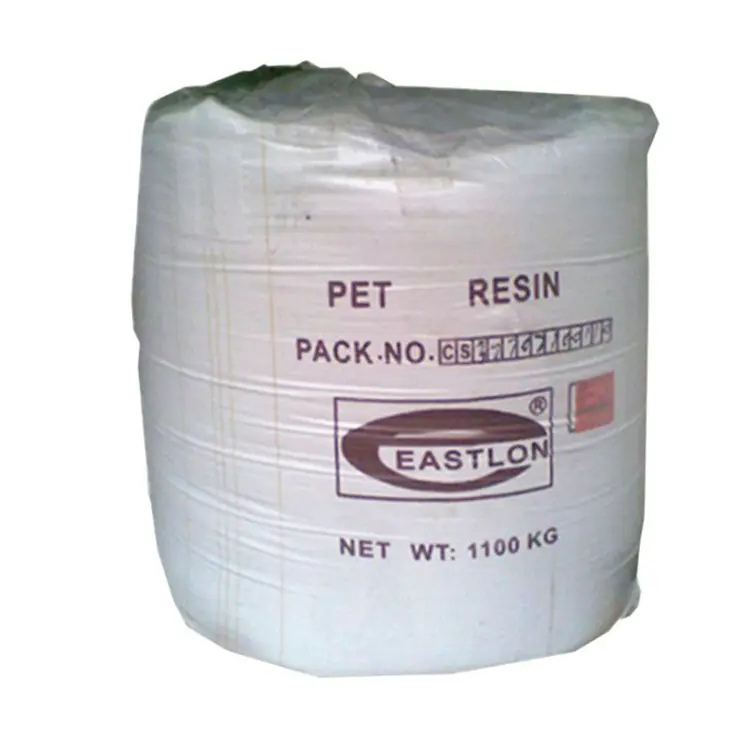
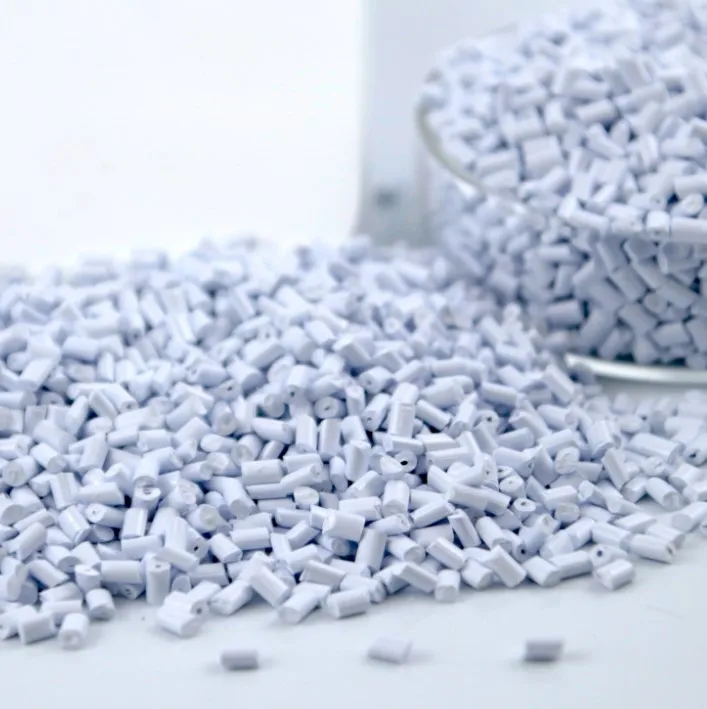
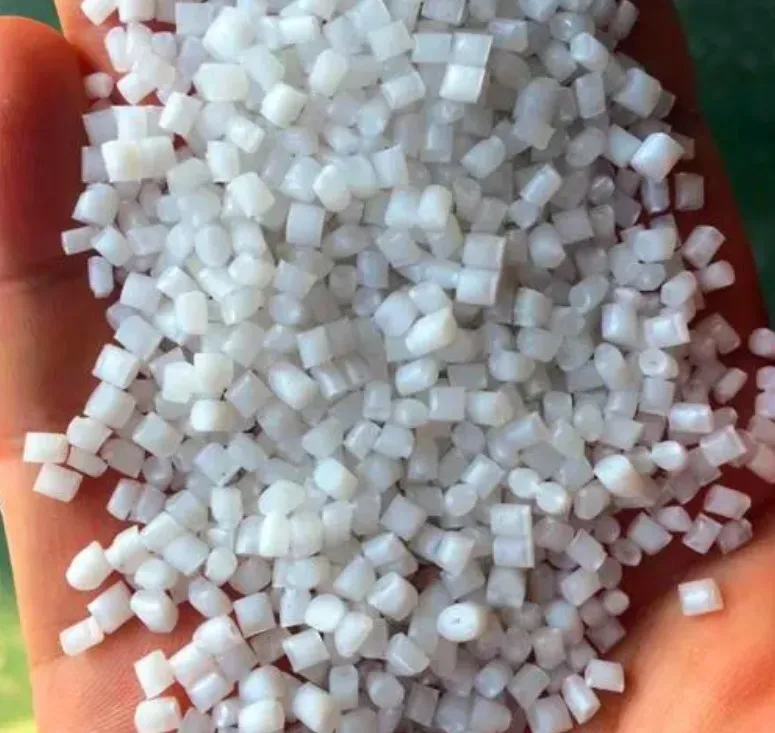
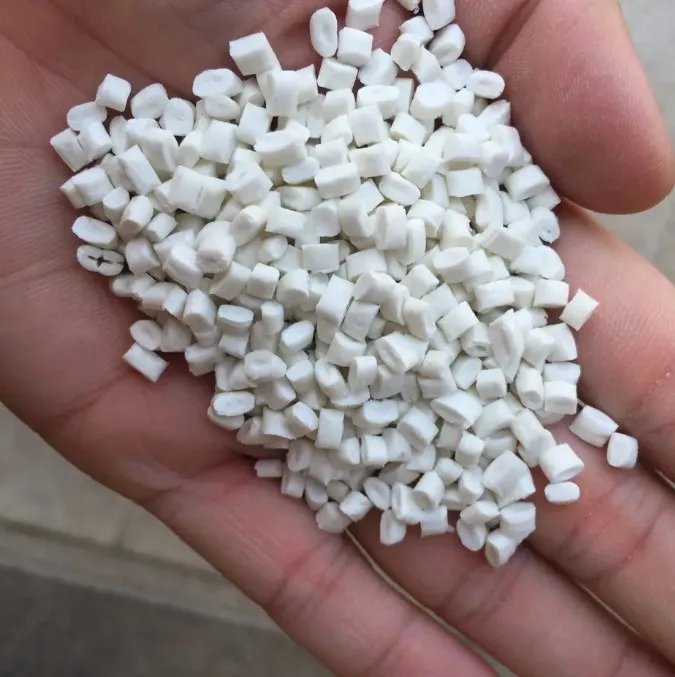
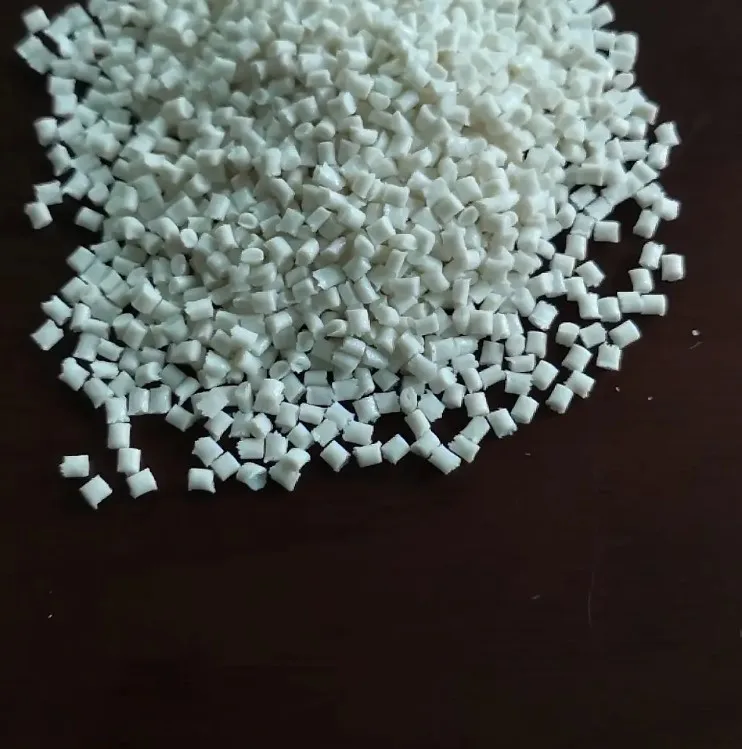
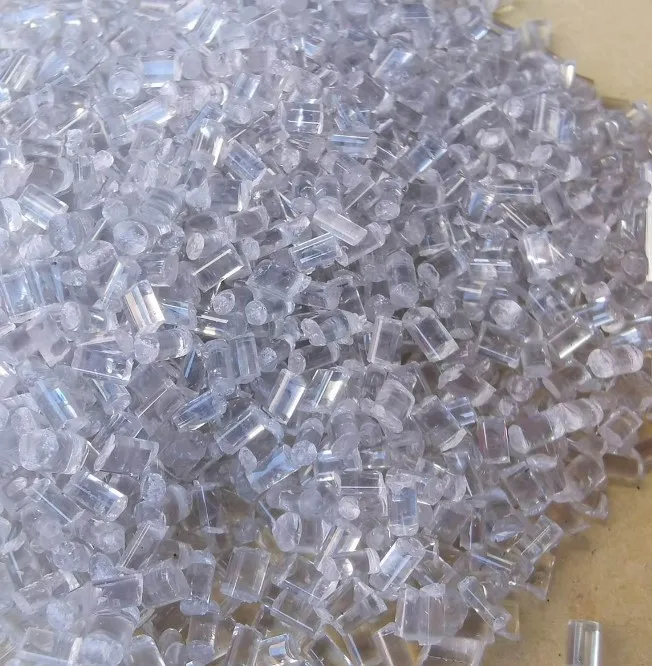
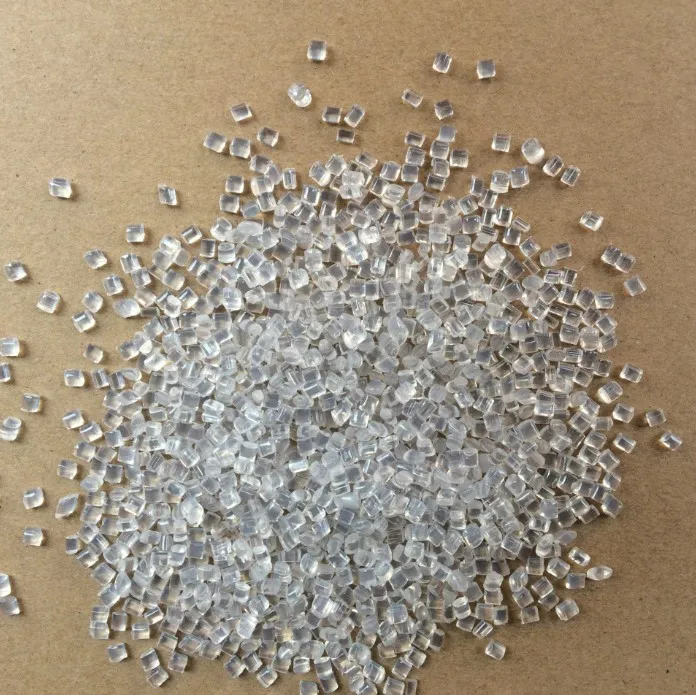
Низкая цена выдувное формование гранулы из натурального пластика для домашних животных изготовления бутылок
- Категория товара: >>>
- Поставщик (Оптовый магазин): Hebei,Haoning,Import,And,Export,Co.,Ltd.Hebei,Ltd.
Поделиться:
Описание и отзывы
Характеристики
Product Description
PET is polyethylene terephthalate, a thermoplastic polyester, referred to as PET or PEIT. It is made of condensation products of terephthalic acid and ethylene glycol, and is collectively referred to as thermoplastic polyester or saturated polyester together with PBT. PET has good fiber-forming properties, mechanical properties, wear resistance, creep resistance, low water absorption and electrical insulation properties. This material belongs to crystalline saturated polyester, usually milky white or light yellow, with a highly crystalline polymer structure and a smooth and glossy surface. The glass transition temperature of PET is 69℃, the softening range is 230-240℃, and the melting point is 255-260℃. 12 PET material is highly safe, green and environmentally friendly, does not produce toxic substances or gases, and meets food-grade safety standards. Therefore, it has a wide range of applications in daily life, such as mineral water bottles, cling film, plastic packaging bottles, etc. In addition, PET also has good creep resistance, fatigue resistance, abrasion resistance and dimensional stability, as well as high hardness and toughness. It has good electrical insulation properties and is less affected by temperature, but has poor corona resistance. PET is stable to organic solvents such as acetone, benzene, toluene, trichloroethane, carbon tetrachloride and oils, and has high resistance to some oxidants such as hydrogen peroxide, sodium hypochlorite and potassium dichromate. PET has excellent weather resistance and can be used outdoors for a long time.
Specification
Product Name: | White Granule PET |
Material: | Plastic Raw Material Granule |
Packing: | 25kg/bag |
Grade: | Virgin Film Injection Grade |
Company Profile
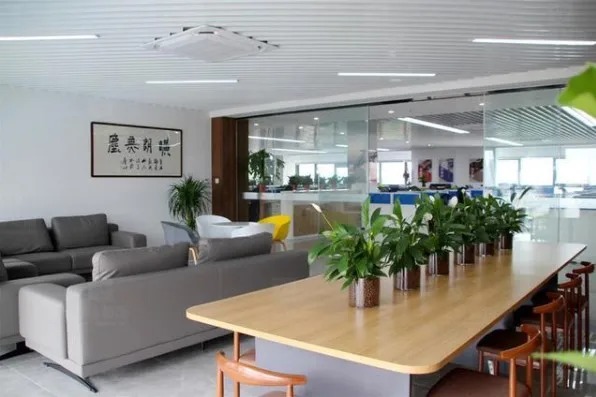
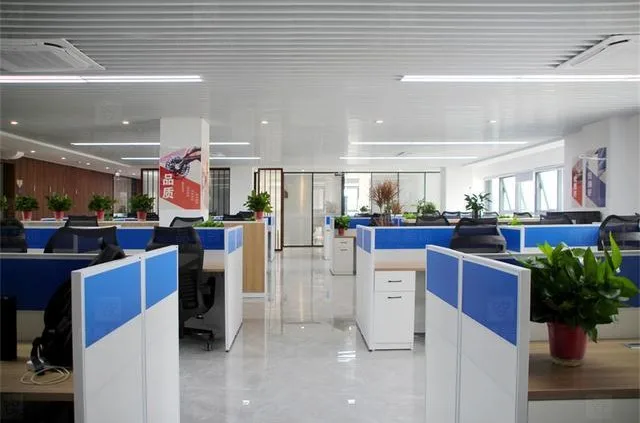
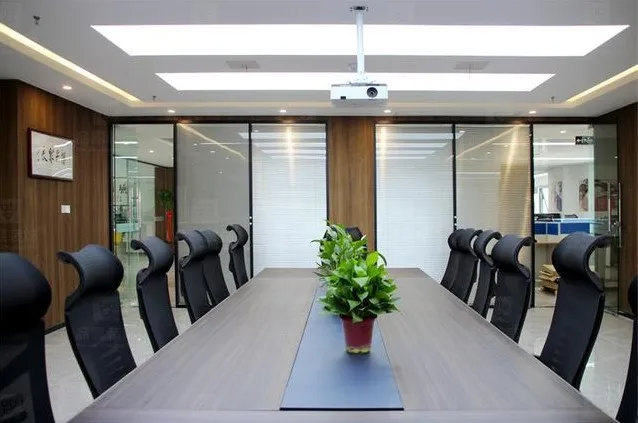
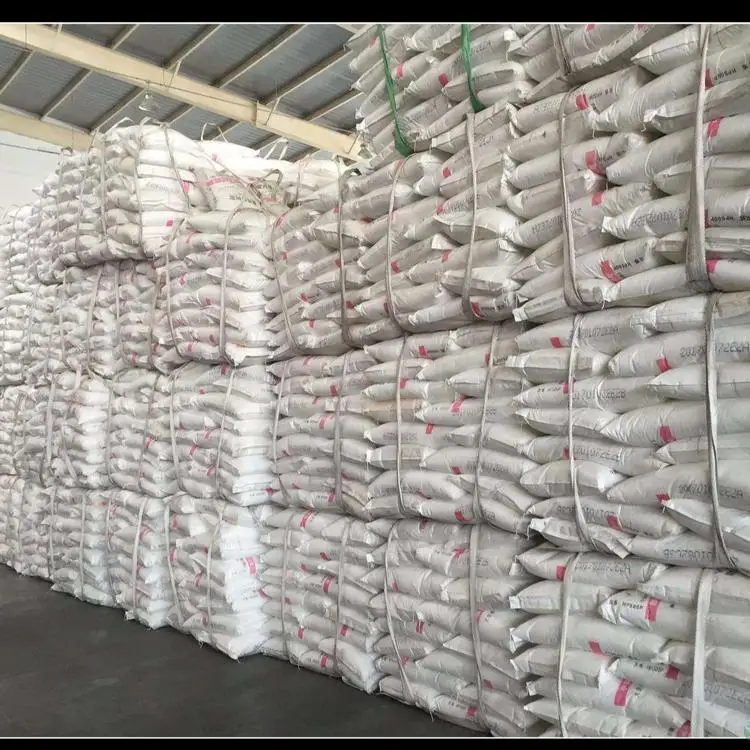
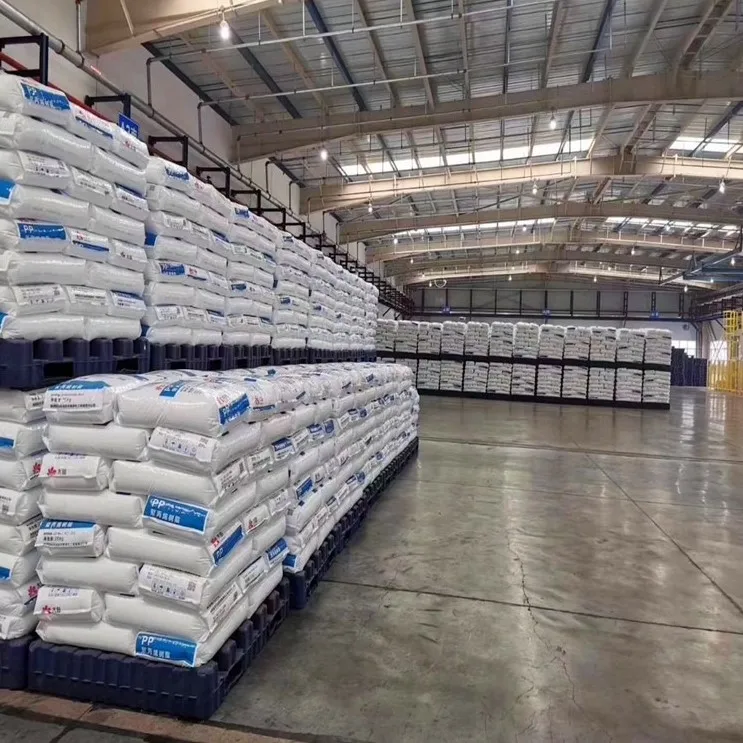
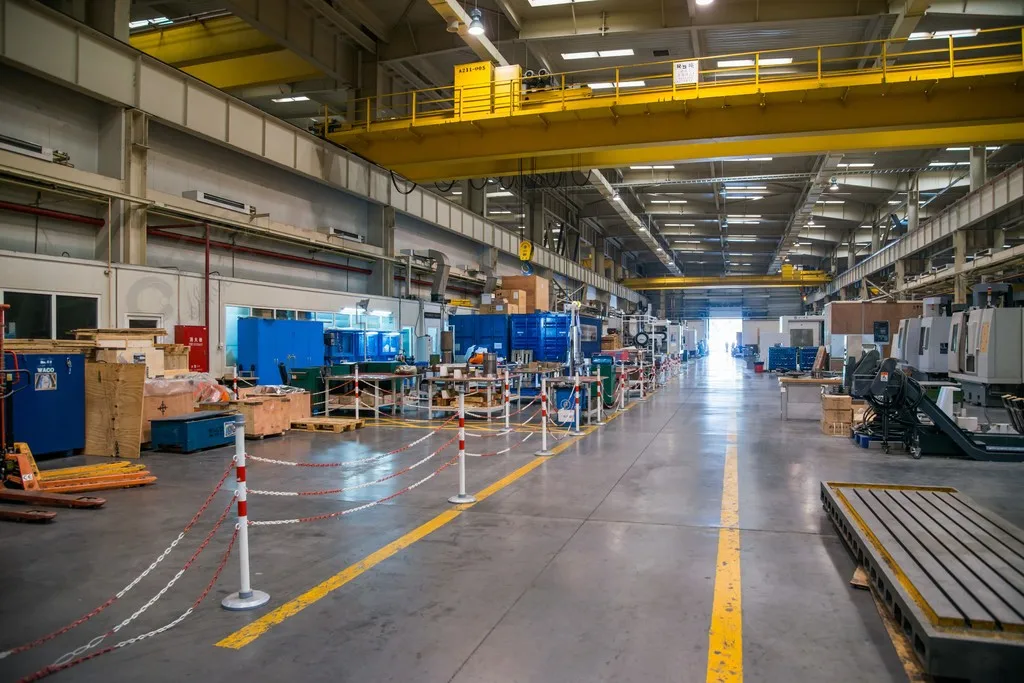
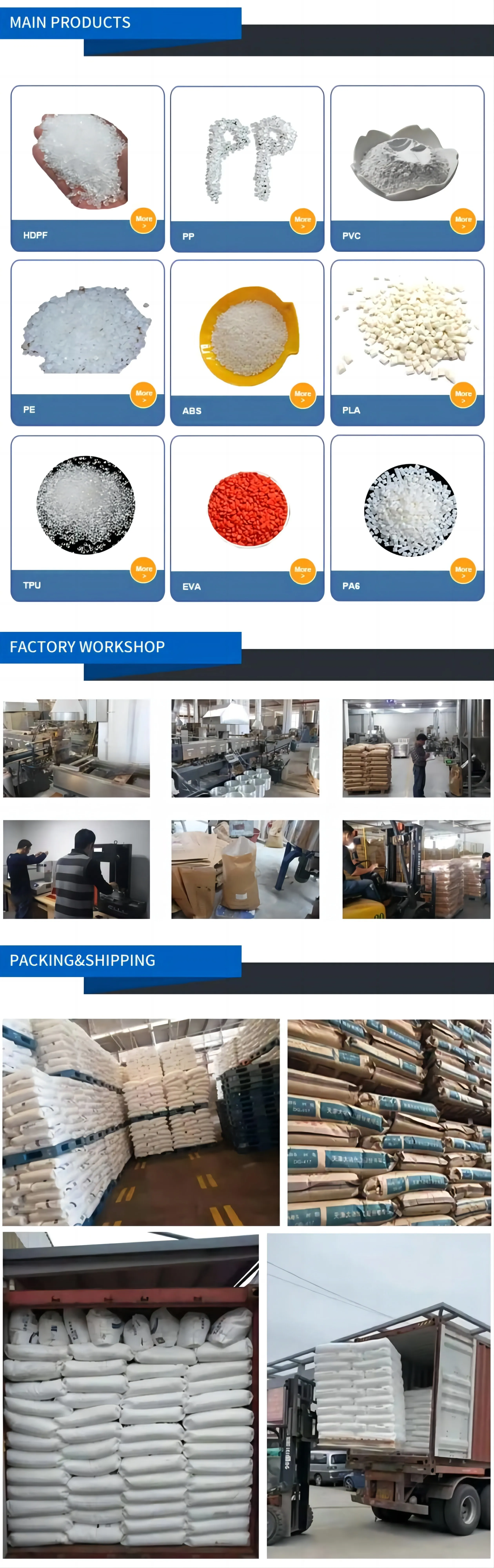
Hebei Haoning Import And Export Co., Ltd. is an export-oriented enterprise which also has manufacturing and marketing teams. With a great reputation in China in the chemicals industry and have many years experience in manufacturing and marketing, We will be your most reliable high quality supplier.
Hebei Haoning Import And Export Co., Ltd. is located in Hebei province and has its own factories in Jinzhou, Hebei province. The factories specialize in manufacturing many kinds of chemical products and we have passed the ISO9001: 2000 certification. To ensure the top quality of our products, cutting-edge scientific techniques and advanced management systems are used and strict quality control standards are implemented in every step of manufacturing. In addition, we are representing and acting as the sales agents of other producers in China to make up temporary demand so that we can improve our service to customers globally.
The essence of our business is commitment to customer service by meeting and/or exceeding our client's expectations of cost, quality, and efficient service. We are confident that our competitive edge will provide the foundation required for our customers to be successful in their own market areas.
Hebei Haoning Import And Export Co., Ltd. is located in Hebei province and has its own factories in Jinzhou, Hebei province. The factories specialize in manufacturing many kinds of chemical products and we have passed the ISO9001: 2000 certification. To ensure the top quality of our products, cutting-edge scientific techniques and advanced management systems are used and strict quality control standards are implemented in every step of manufacturing. In addition, we are representing and acting as the sales agents of other producers in China to make up temporary demand so that we can improve our service to customers globally.
The essence of our business is commitment to customer service by meeting and/or exceeding our client's expectations of cost, quality, and efficient service. We are confident that our competitive edge will provide the foundation required for our customers to be successful in their own market areas.
FAQ
Q:Can we get your samples?
A:Yes! Samples can be arranged for those available products. The Delivery Fee will be on buyer's account.
Q:What are your terms of payment?
A:T/T, 30% pay in advance, 70% before shipping
Q:What is your packing?
A:Basically our packing is in 25/KG bags.
Q:Where is the loading port?
A:Usually Qingdao.
Q:What is the normal lead time?
A: We will send goods to the departure port within 7-10 workdays after we receive your payment.
Q:If any quality problem, how can you settle it for us?
A:When discharging the container, you need to inspect all the goods. If anybreakage or defect products were found, you MUST take the pictures fromthe original carton. All the claims must be presented within 7 working days after discharging the container.This date is subject the arrival time of containr. We will advise you to certify the claim by third party,or we can accept the claim from the samples or pictures you present, discharging of the containeris not included. Finally we will completely compensate all your loss.
A:Yes! Samples can be arranged for those available products. The Delivery Fee will be on buyer's account.
Q:What are your terms of payment?
A:T/T, 30% pay in advance, 70% before shipping
Q:What is your packing?
A:Basically our packing is in 25/KG bags.
Q:Where is the loading port?
A:Usually Qingdao.
Q:What is the normal lead time?
A: We will send goods to the departure port within 7-10 workdays after we receive your payment.
Q:If any quality problem, how can you settle it for us?
A:When discharging the container, you need to inspect all the goods. If anybreakage or defect products were found, you MUST take the pictures fromthe original carton. All the claims must be presented within 7 working days after discharging the container.This date is subject the arrival time of containr. We will advise you to certify the claim by third party,or we can accept the claim from the samples or pictures you present, discharging of the containeris not included. Finally we will completely compensate all your loss.


