
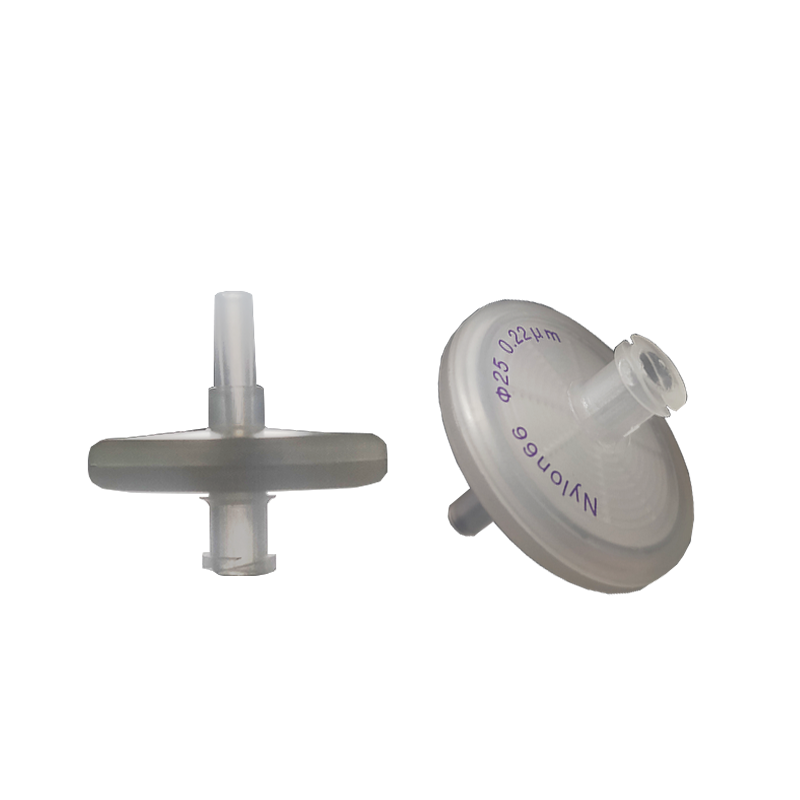
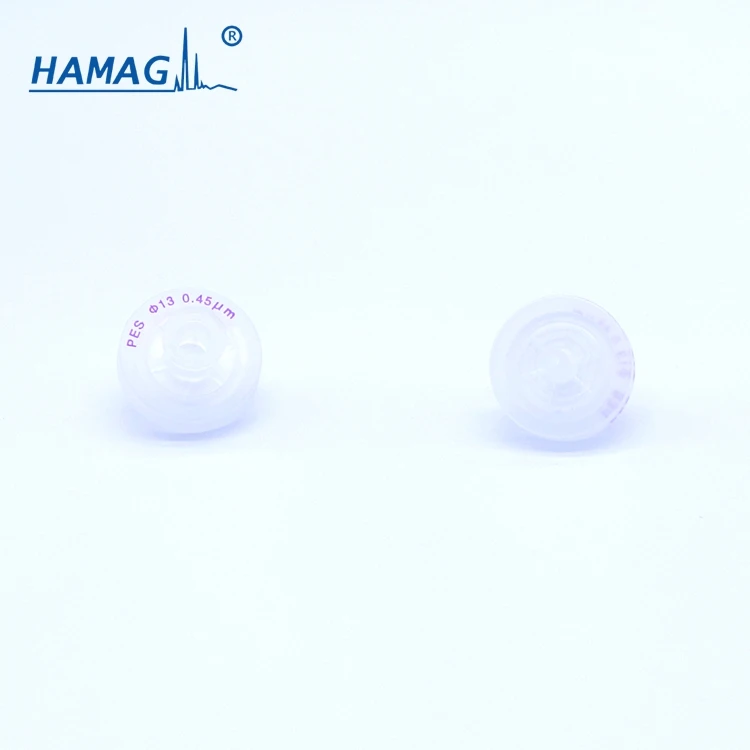
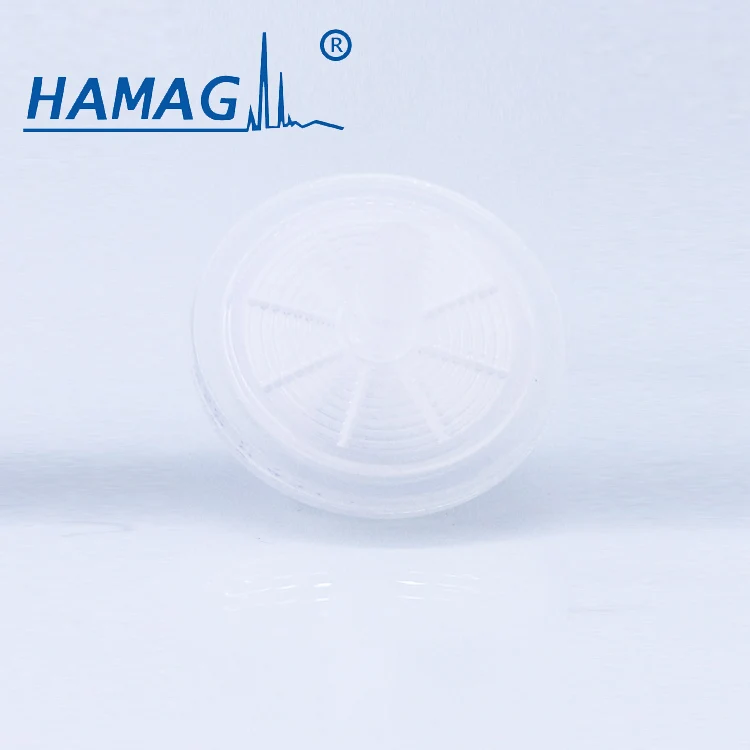
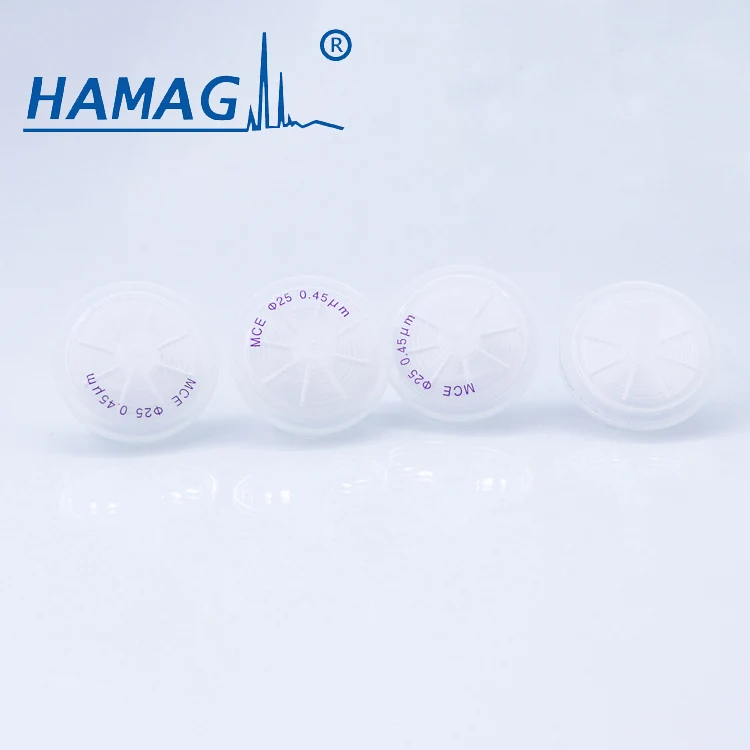
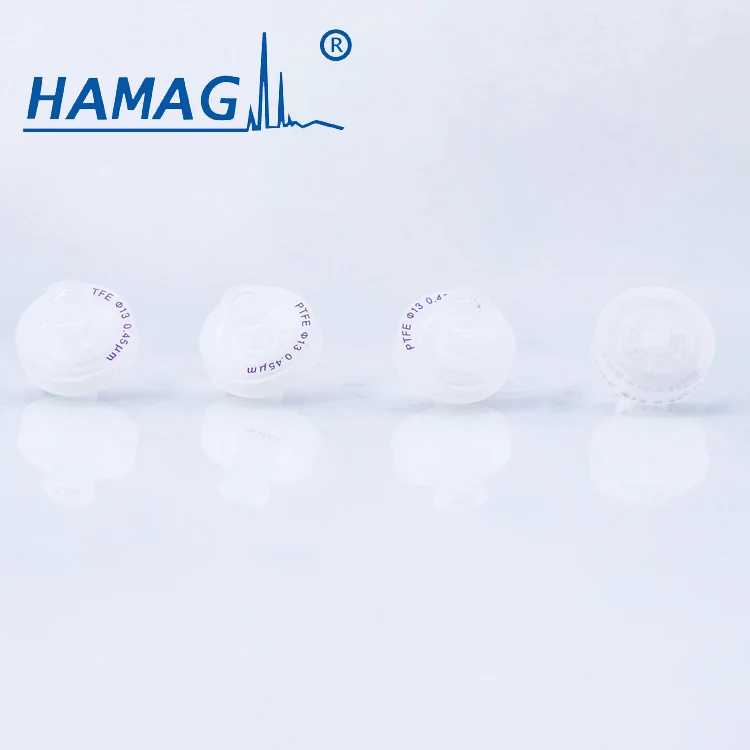
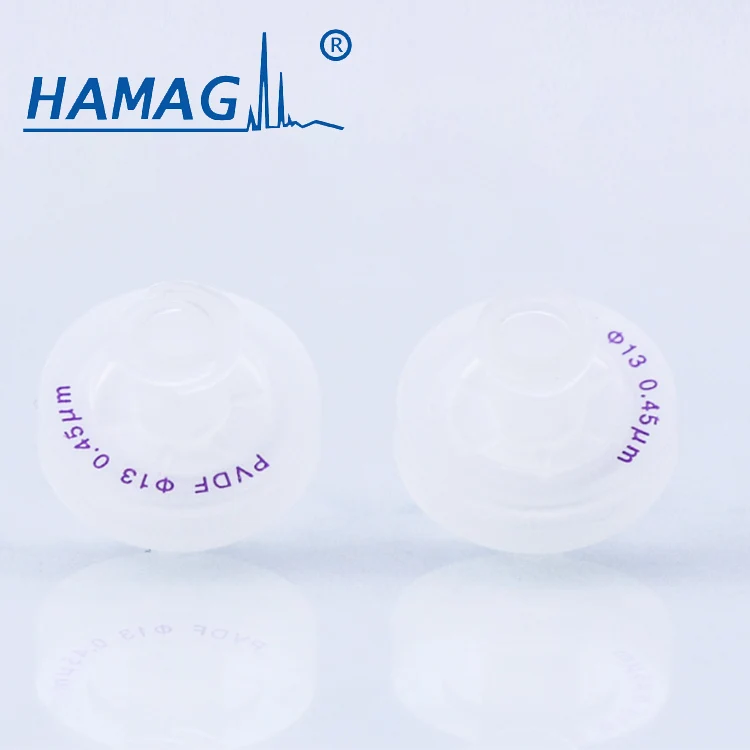
Гидрофильный шприцевой фильтр PVDF 25 мм 0 22 мкм для лабораторного
- Категория товара: >>>
- Поставщик (Оптовый магазин): Ningbo,Excellent,New,Material,Co.,Ltd.
Поделиться:
Описание и отзывы
Характеристики
Product Description
* Filters are molded in the polypropylene housings, providing a reliable seal without the use of adhesives
* Female luer-lock inlet and male luer slip outlet
* Color coded by membrane type for easy identification, and membrane material and pore size are printed on the housing
* Available individually packed in peel-to-open paper/plastic blister packs
* Also available bulk packed in PVDF, PES, PTFE, and Nylon membranes
* Female luer-lock inlet and male luer slip outlet
* Color coded by membrane type for easy identification, and membrane material and pore size are printed on the housing
* Available individually packed in peel-to-open paper/plastic blister packs
* Also available bulk packed in PVDF, PES, PTFE, and Nylon membranes
1. Choose the size of filter based on the volume of sample that must be filtered.
2. Choose the porosity of the filter based on the size of potential particulates that may be present in your sample. Remember, the finer the porosity the more pressure it will take to pass sample through the filter. If you have a great deal of particulate matter, you may want to use a glass fiber filter, place a glass fiber pre-filter in front of your membrane filter to prevent rapid plugging or use a 2-in-1 filter that has a built-in pre-filter in a single housing.
3. Choose the membrane type based on the solvent that you want to filter.
3. Choose the membrane type based on the solvent that you want to filter.
Syringe Filter Membranes and Housing
Syringe filters can be categorized by two essential components: the membrane and housing. To select the correct filter, you should ensure both components are compatible with the application. Syringe filter housings are matched based on composition and format, while membranes are matched to end applications by composition, filter diameter, and pore size.
Selecting pore size for your application
0.45 μm and 0.22 μm are the two most frequently used membrane pore sizes for research and medical applications.
* 0.45 μm membranes are typically used for general filtration and particle removal applications.
* 0.22 μm membranes, or sterilizing-grade membranes, are most commonly used for solution sterilization (bacteria removal).
* 0.45 μm membranes are typically used for general filtration and particle removal applications.
* 0.22 μm membranes, or sterilizing-grade membranes, are most commonly used for solution sterilization (bacteria removal).
Syringe Filter Membranes | Syringe Filter Housing |
* Cellulose acetate * Cellulose nitrate * Glass fiber * Mixed cellulose esters (MCE) * Nylon * PES * Polypropylene * Polysulfone * PTFE, Hydrophilic * PTFE, Hydrophobic * PTFE, all (Hydrophobic and Hydrophilic) * PVDF * Regenerated Cellulose | * High-density polyethylene (HDPE) * Modified acrylic * Polycarbonate * Polypropylene * PVC |
How to Use a Syringe Filter
After selecting the appropriate syringe filter and syringe for your sample and application, draw your sample into the syringe and attach the filter to the syringe end. If you are using a leur lock filter, ensure you have correctly secured the filter into the syringe tip. Hold the syringe with the filter pointing up and “top off” by pushing a few drops through the filter. Place the filter tip over the collection container and push the sample through a syringe filter by applying gentle positive pressure. To purge the syringe filter and maximize sample throughput, remove the filter from the syringe and draw air into the syringe. Then reattach the filter and push the plunger to force some of the air through the filter.
Related Products
Manufacturing Technique


Company Introduction


Похожие товары

Lab Murashige Skoog Средний Ms Средний культиватор
US $10.00-$15.00

Горячая Распродажа, миниатюрный лабораторный инкубатор HouYuan на 18 л
US $130.00-$156.00


