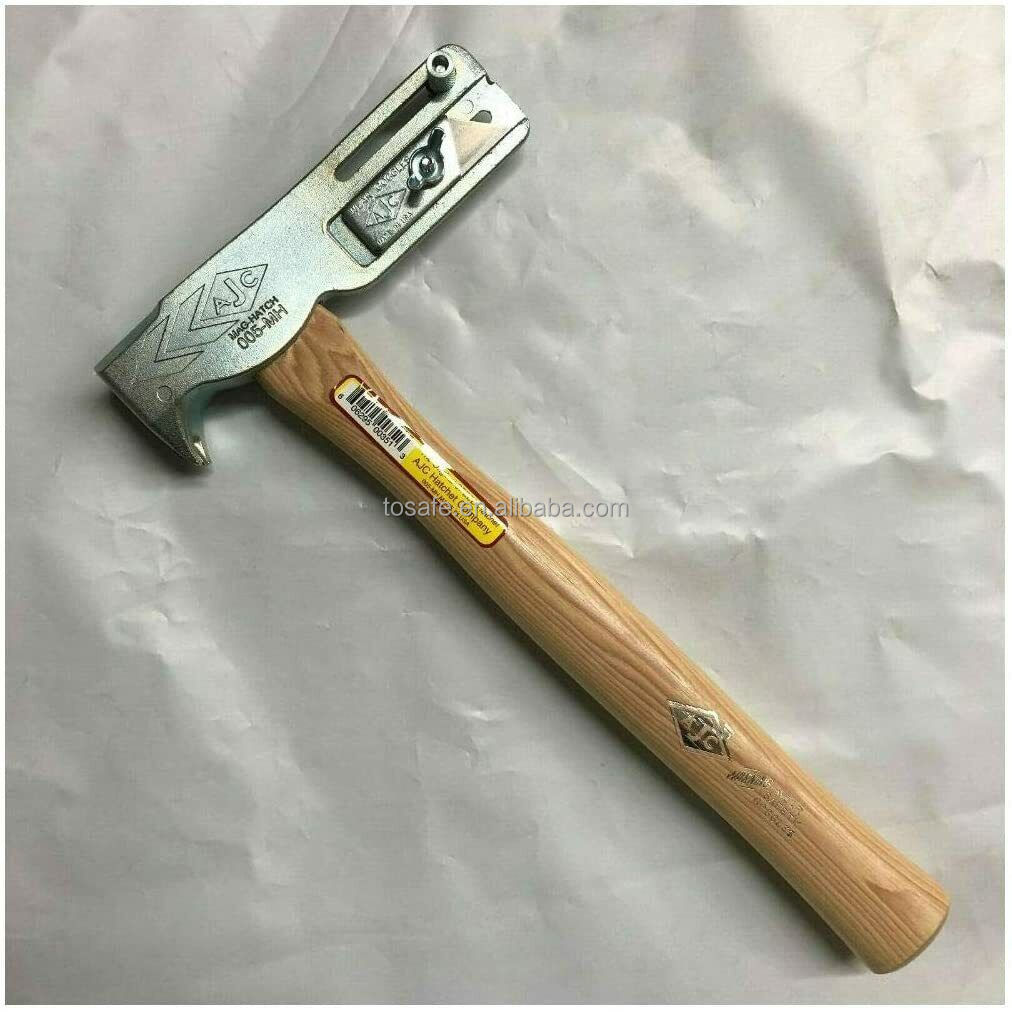
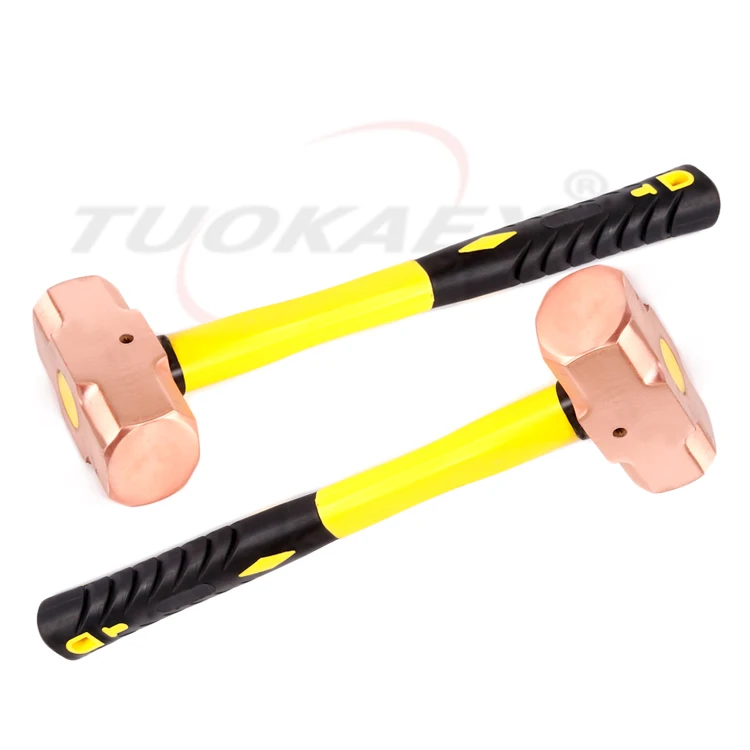
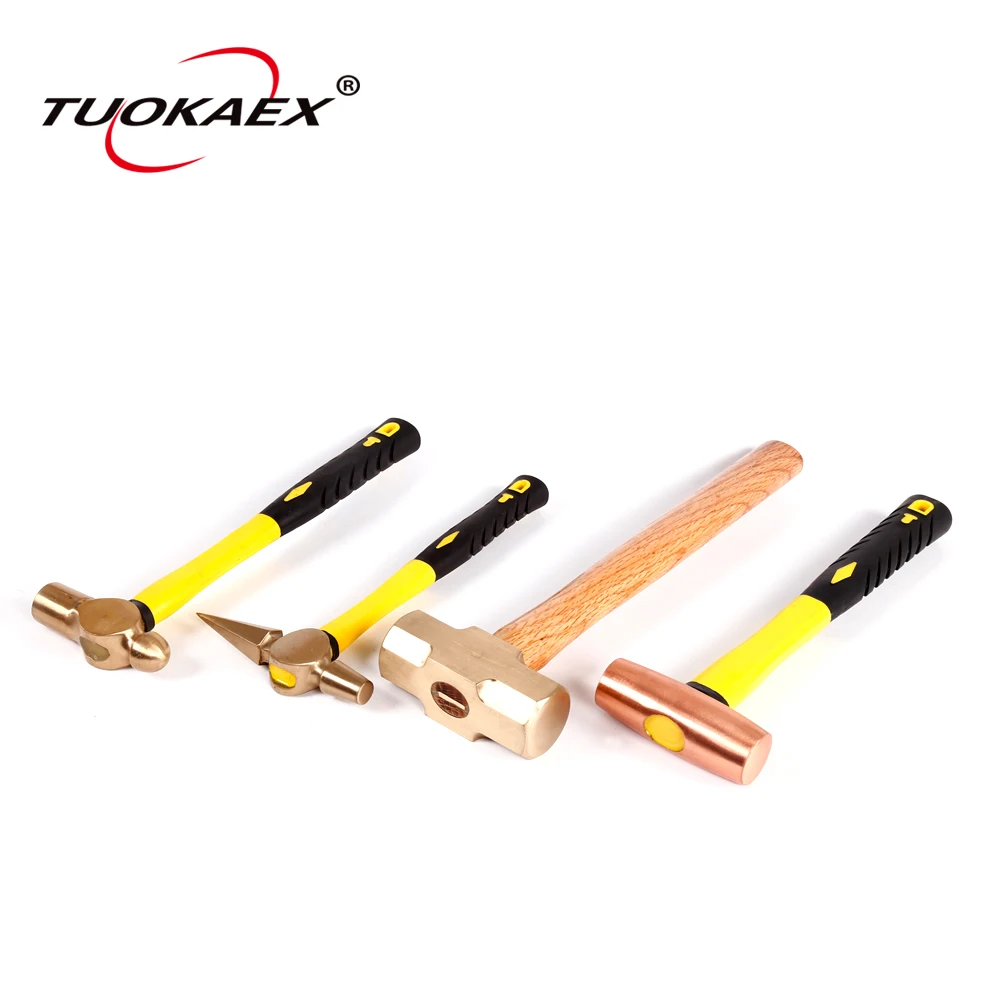
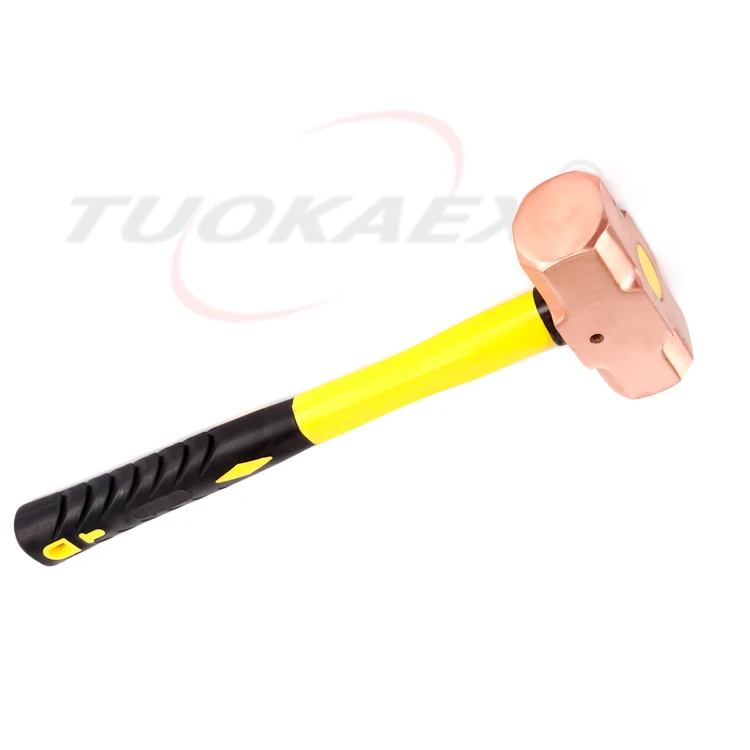
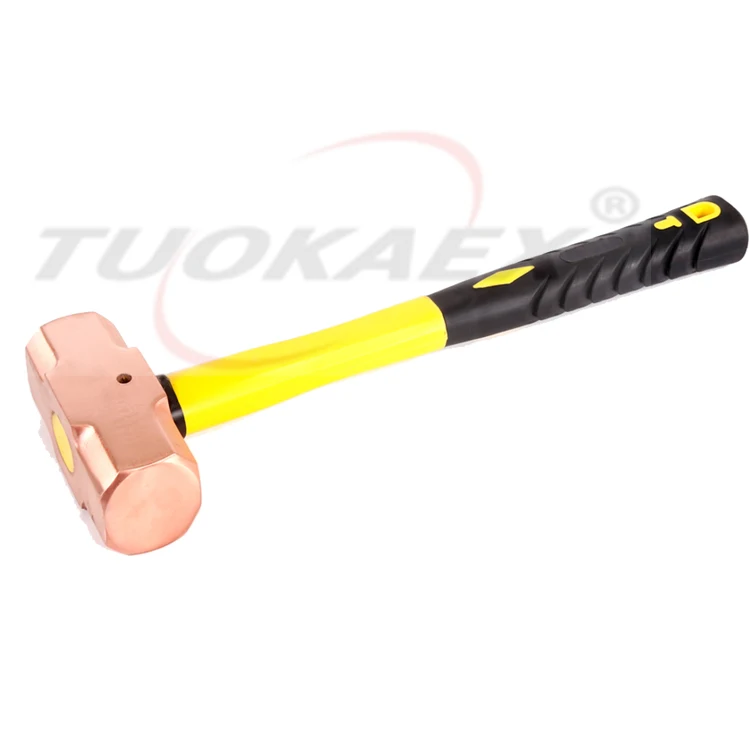
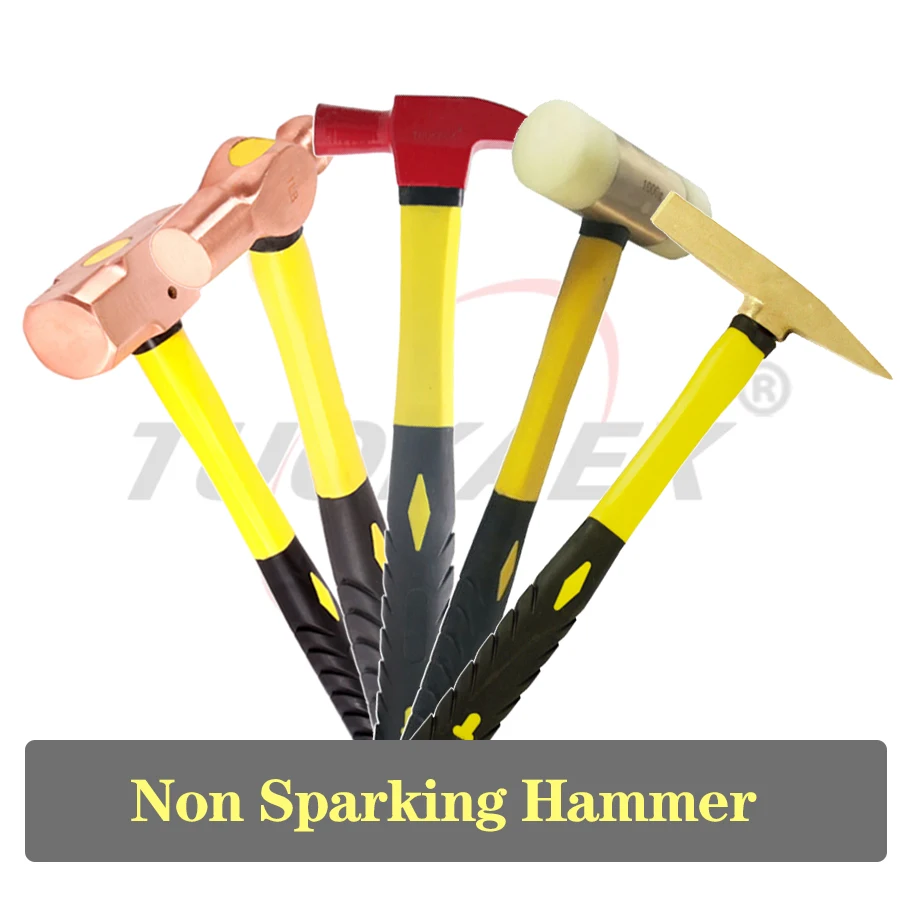
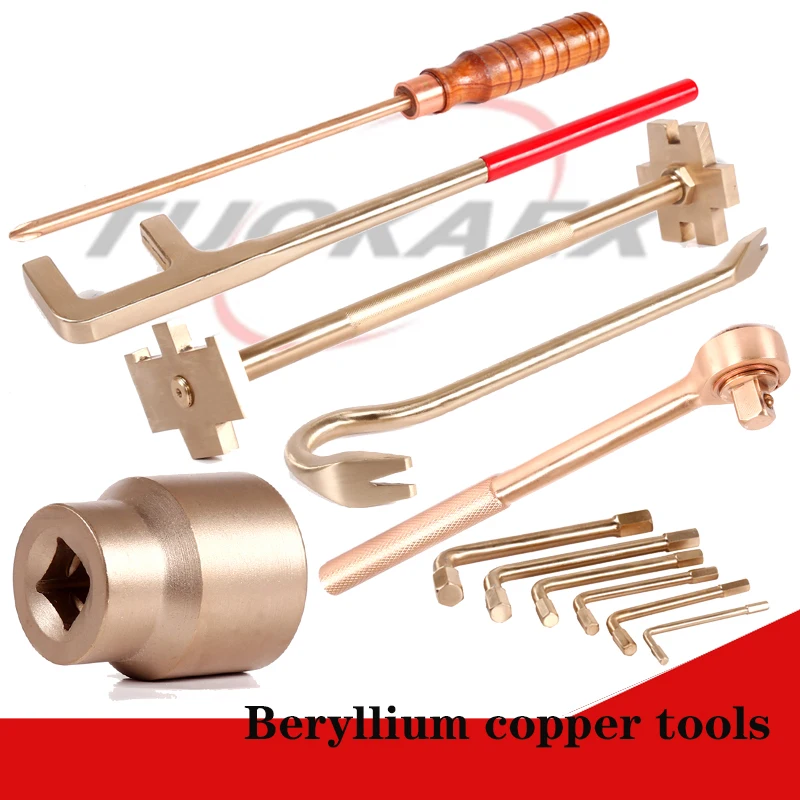
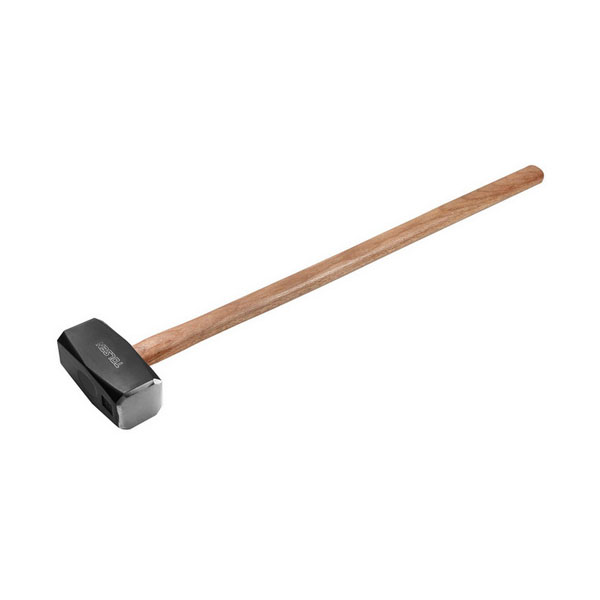
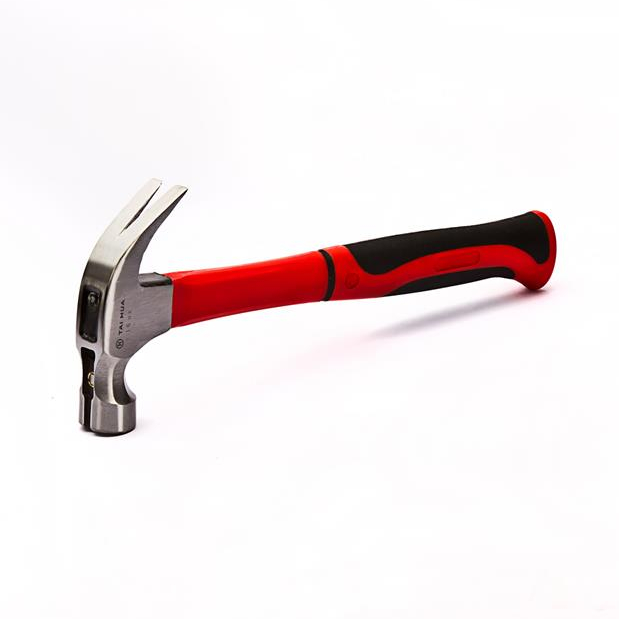
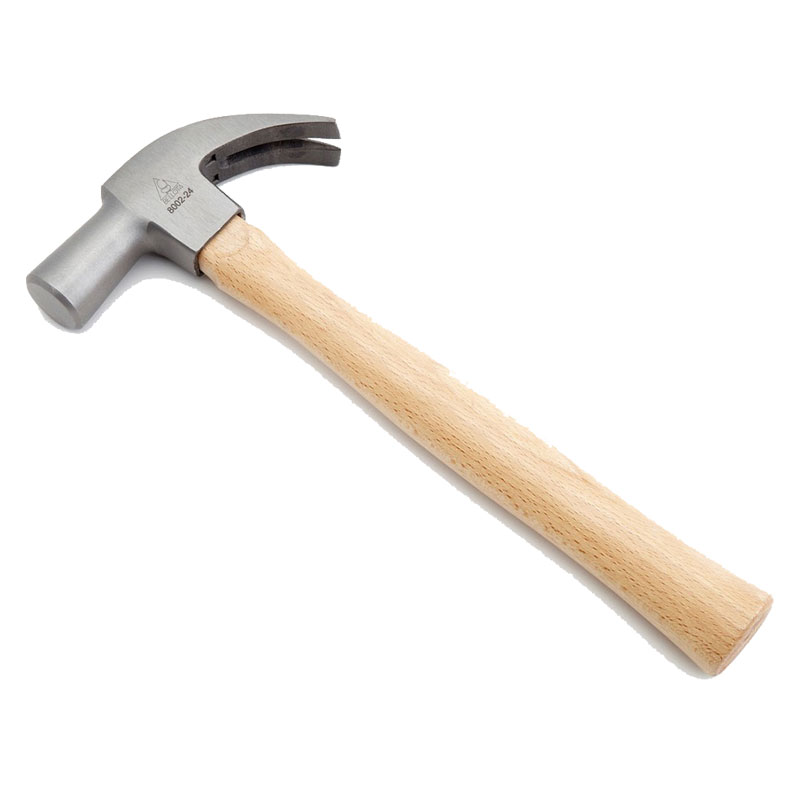
Non-Sparking Tools Quick Tips Non-sparking tools are made of materials that do not contain iron (non-ferrous metals) and therefore the risk of a spark being created while the tool is in use is reduced. Non-sparking tools protect against both fire and explosion in environments that may contain flammable liquids, vapors, dusts or residues. When working in confined spaces and areas where flammable gases or dusts are present, using a non-sparking tool is the best practice. Common materials used for non-sparking tools include brass, bronze, copper-nickel alloys, copper- aluminum alloys or copper-beryllium alloys. Beryllium alloys are less favorable due to the potential toxicity of beryllium dust. Non-metals such as wood, leather and plastics can also be used to create non-sparking tools. Some common tools that are available in a non-sparking option include hammers, axes, pry bars, chisels, utility knives, mallets, pliers, screwdrivers, sockets and wrenches. Non-sparking polypropylene shovels are often used for hazardous material spill clean-up. Because non-sparking tools are non-ferrous, they are softer than standard tools which are usually made of a high strength alloy steel. This may cause non-sparking tools to wear more quickly than their steel counterparts.