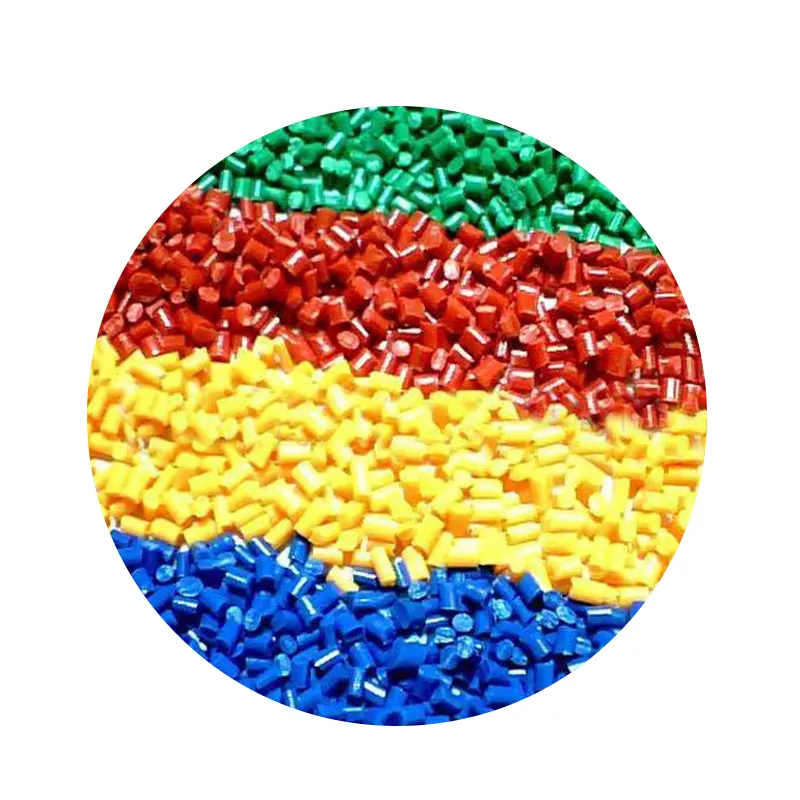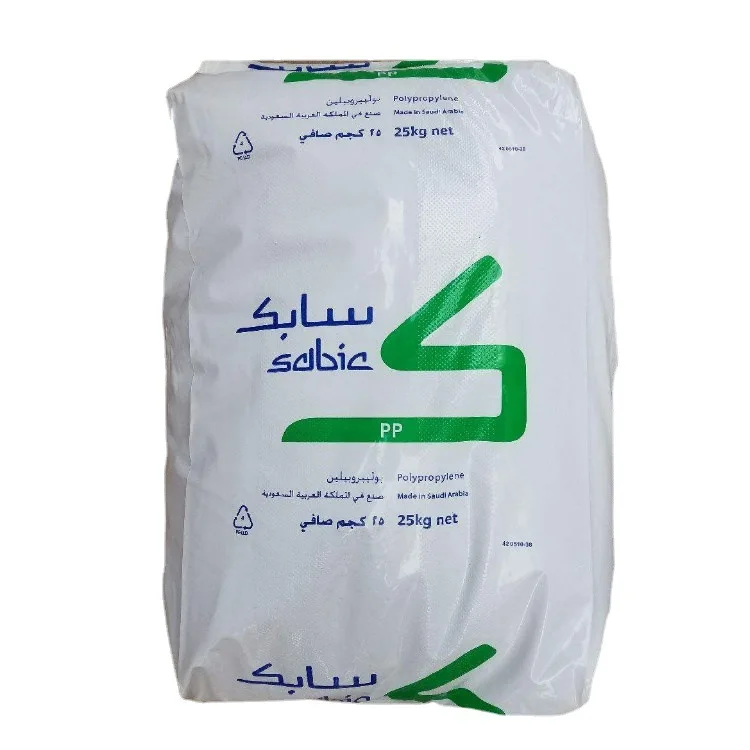
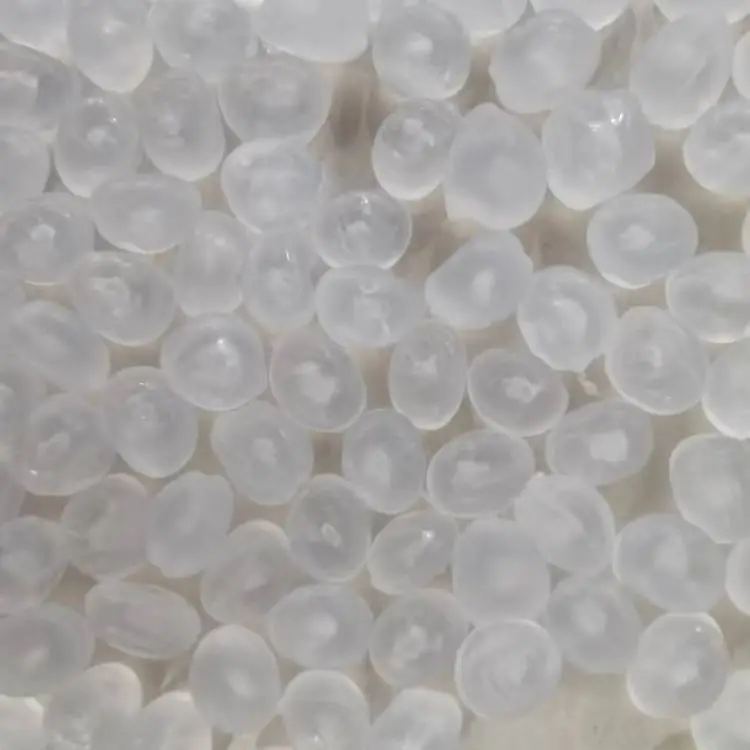
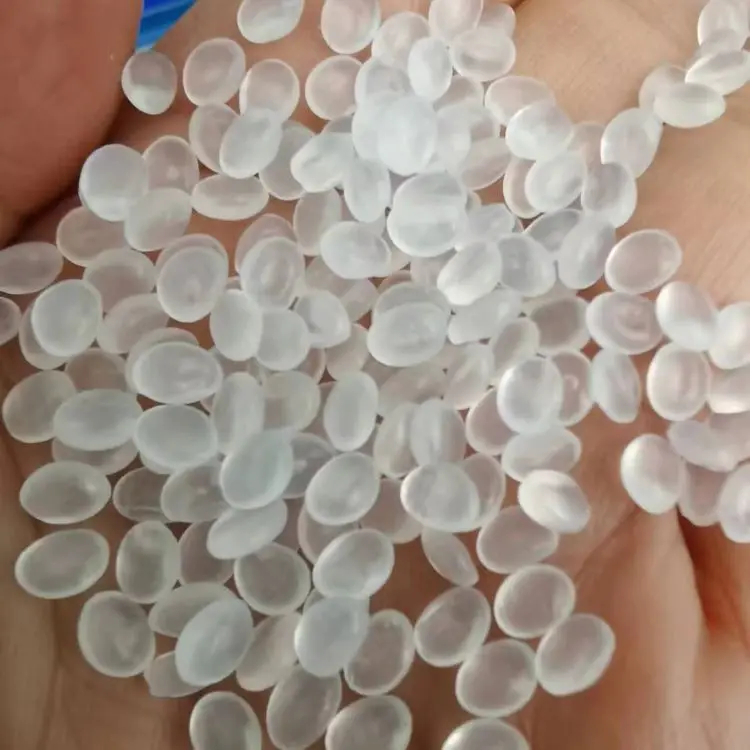
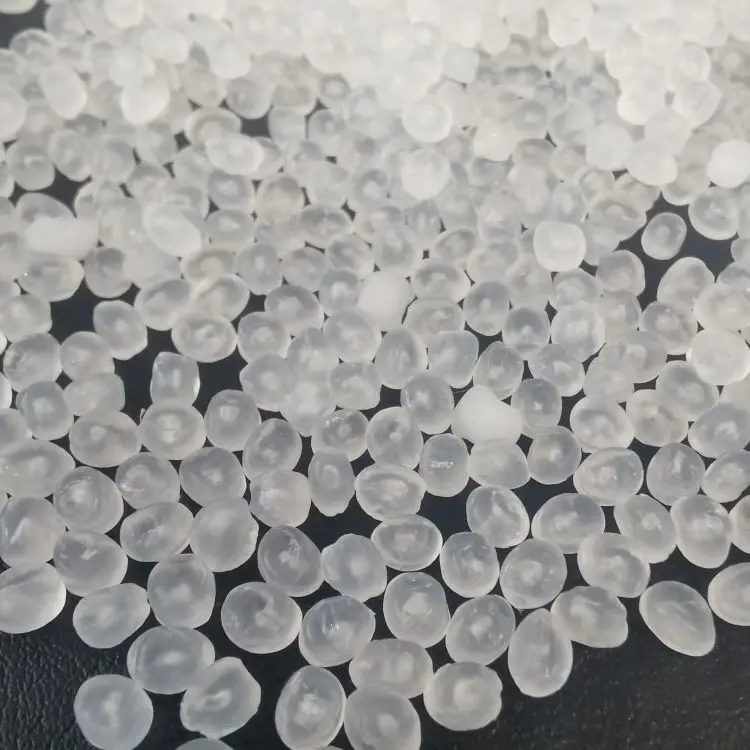
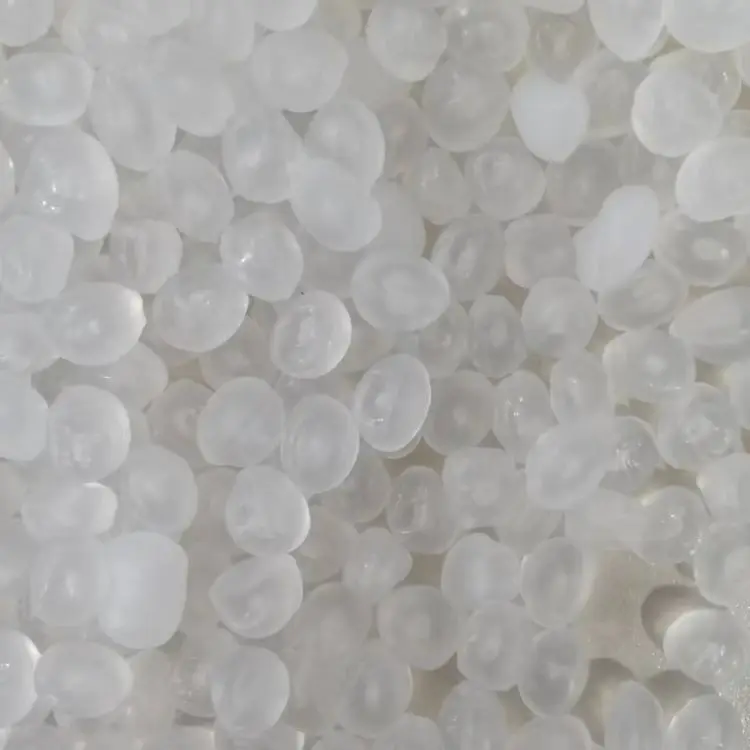
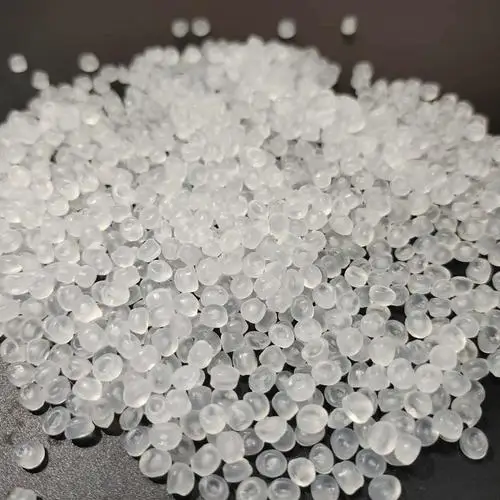
PP M250E High Transparent Random Copolymer Polypropylene Plastic Particles
- Category: PP >>>
- Seller: Shanghai,Qishen,Plastic,Industry,Co.,Ltd.
Share on:
Product Overview
Description

Homopolymer Polypropylene Fiber Extrusion
Product Description
Homoperic PP, abbreviation PP-H, is a thermoplastic resin polymerized from a single propylene monomer. It can be divided into three categories according to the methyl arrangement, namely, isotactic PP, random PP and intertactic PP. Isotactic PP has a higher productivity and a wider range of applications, accounting for about 95% of the total output of PP. It can be used in woven products, injection molding products, film products, fiber products and pipe. Intergauge PP has low crystallinity and excellent tensile properties.
It is a kind of high elastic thermoplastic, which can also be called elastomer. Its mechanical properties can be greatly improved by blending it with diethylene-benzene, nitrile and natural rubber, and it can be widely used in automotive, aerospace and other heavy industry fields. Random PP is a kind of non-crystalline, sticky substance, generally not used as plastic, because the strength is low, as a monomer products used, practicality is not big. At present, it is mainly used as carrier for filling masterbatch and plastic toughening agent.
In the plastic world, homopolymer PP and random copolymerization appear at the same time, and for the difference between the two, is also a hot market discussion, the essence of the difference is that homopolymer PP is made of single propylene polymerization, but copolymerization PP can be made of propylene and ethylene monomer copolymerization, because of the different composition, also caused by its different properties and application range. The heat resistance and mechanical properties of PP homopolymer are better, but the heat resistance of copolymerized PP is weaker than that of homopolymer PP because it is mixed with ethylene, and the impact resistance and transparency are better than that of homopolymer PP.
Copolymerized PP is generally used in pipe, packaging film and injection container products, while homopolymer PP is mostly used in plastic weaving, packaging film and household appliances products.
Specification
HOMOPOLYMER POLYPROPYLENE | ||||||||||
PROCESS | GRADE | MFR,g/10min(ASTM D1238,230/2.16kg) | TYPICAL APPLICATIONS | CHARACTERISTICS | ||||||
Film Extrusion | IPP | 520L | 10 | used for inflated polypropylene(IPP) film process for producing garment&textiles bag,magazine covers,food packing | good optical properties & processability | |||||
BOPP | 521P | 3.0 | core layer in co-extruded BOPP (biaxially oriented polypropylene) film,plain BOPP film | excellent optical properties,high tensile strength, metalizable | ||||||
524P | 2.0 | excellent optical properties,very high tensile strength, metalizable | ||||||||
5241P | 2.2 | |||||||||
5212P | 3.0 | |||||||||
5231P | 3.0 | high crystallinity,very high stiffness,tensile properties& metalizable | ||||||||
523PF | 3.2 | excellent optical properties,high tensile strength, metalizable | ||||||||
CPP | 526P | 8.0 | core layeer in co-extruded CPP (cast polypropylene)film,plain CPP film | high gloss&clarity,high melt strength metalizable | ||||||


There are many ways to prepare antibacterial packaging film for food. One is to make antibacterial masterbatch of antibacterial
agent, which is prepared by extrusion or salivation of antibacterial agent or antibacterial masterbatch and resin in a single
layer. It can also be formed by extrusion as a surface layer and other layers together to form antibacterial composite film. Another is made by coating or steaming an antibacterial agent on a resin film. For the antibacterial film made from antibacterial masterbatch, due to the thin thickness of the film itself, the antibacterial
particle size is required to be small, and a relatively narrow particle size distribution or the use of organic antibacterial agents that can be dissolved in resin. Generally, the addition of antibacterial agent or antibacterial masterbatch has no obvious effect on the mechanical properties of the film, and has no adverse effect on the printing properties of the film. However, it has a certain impact on the barrier performance of some films
agent, which is prepared by extrusion or salivation of antibacterial agent or antibacterial masterbatch and resin in a single
layer. It can also be formed by extrusion as a surface layer and other layers together to form antibacterial composite film. Another is made by coating or steaming an antibacterial agent on a resin film. For the antibacterial film made from antibacterial masterbatch, due to the thin thickness of the film itself, the antibacterial
particle size is required to be small, and a relatively narrow particle size distribution or the use of organic antibacterial agents that can be dissolved in resin. Generally, the addition of antibacterial agent or antibacterial masterbatch has no obvious effect on the mechanical properties of the film, and has no adverse effect on the printing properties of the film. However, it has a certain impact on the barrier performance of some films

Polypropylene PP has many excellent properties:
1, the relative density is small, only 0.89-0.91, is one of the lightest plastic varieties.
2, good mechanical properties, except impact resistance, other mechanical properties are better than polyethylene, molding processing performance is good.
3, with high heat resistance, continuous use of temperature can reach 110-120℃.
4, good chemical properties, almost no water absorption, and the vast majority of chemicals do not react.
5, pure texture, non-toxic.
6, good electrical insulation.
7. The transparency of polypropylene products is better than that of high-density polyethylene products.
1, the relative density is small, only 0.89-0.91, is one of the lightest plastic varieties.
2, good mechanical properties, except impact resistance, other mechanical properties are better than polyethylene, molding processing performance is good.
3, with high heat resistance, continuous use of temperature can reach 110-120℃.
4, good chemical properties, almost no water absorption, and the vast majority of chemicals do not react.
5, pure texture, non-toxic.
6, good electrical insulation.
7. The transparency of polypropylene products is better than that of high-density polyethylene products.
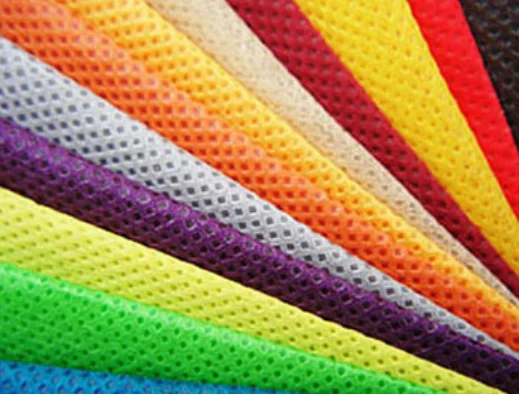
PP non-woven fabric features:
1, high strength, high temperature resistance performance (can be used in 150℃ environment for long term), aging resistance, UV resistance, high elongation, stability and good permeability, corrosion resistance, sound insulation, anti-cavity, non-toxic.
2. Nonwovens break through the traditional textile principle, and has the characteristics of short technological process, fast production speed, high yield, low cost, wide use, multiple raw material sources and so on.
PP non-woven fabric main use
1, medical and health: such as disposable medical supplies, protective clothing, diaper, sanitary napkins, personal hygiene care
products;
2, packaging materials and lining materials: such as a variety of shopping bags, storage bags, packaging bags, household goods and
lining materials;
3, agricultural covering materials: such as sunscreen, insect prevention, cold and insulation, moisture and other covering film,
grass protective film and harvest film。
1, high strength, high temperature resistance performance (can be used in 150℃ environment for long term), aging resistance, UV resistance, high elongation, stability and good permeability, corrosion resistance, sound insulation, anti-cavity, non-toxic.
2. Nonwovens break through the traditional textile principle, and has the characteristics of short technological process, fast production speed, high yield, low cost, wide use, multiple raw material sources and so on.
PP non-woven fabric main use
1, medical and health: such as disposable medical supplies, protective clothing, diaper, sanitary napkins, personal hygiene care
products;
2, packaging materials and lining materials: such as a variety of shopping bags, storage bags, packaging bags, household goods and
lining materials;
3, agricultural covering materials: such as sunscreen, insect prevention, cold and insulation, moisture and other covering film,
grass protective film and harvest film。
Recommend Products
Company Profile
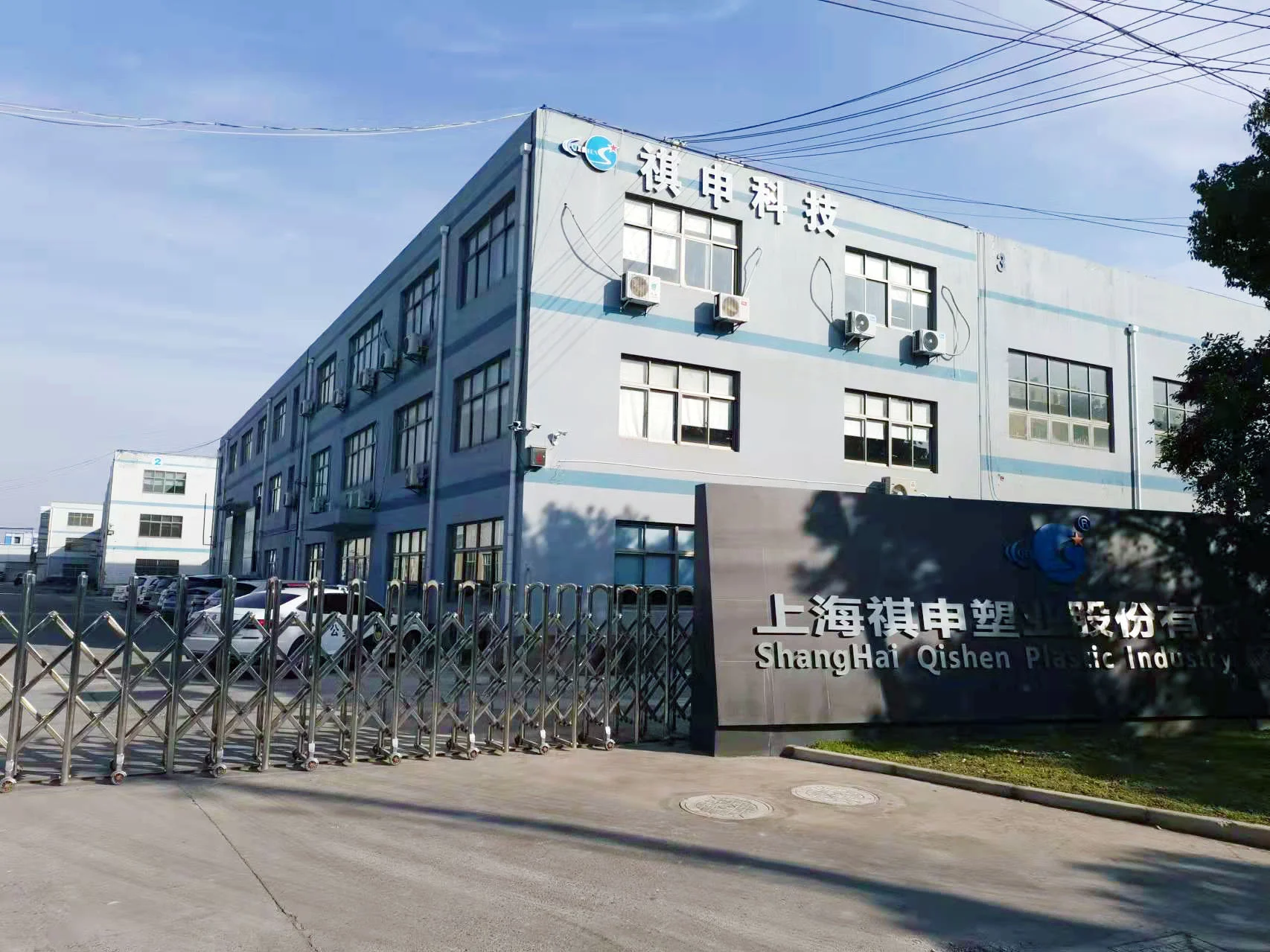

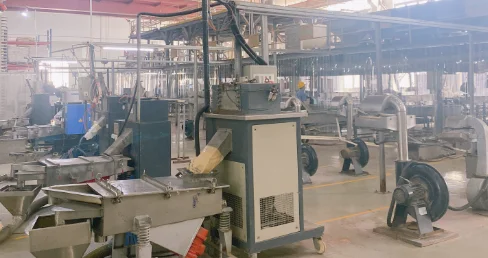

Founded in July 2007, Shanghai Qishen is located in Shanghai, with an area of more than 6000㎡. The company has ten twin-screw extrusion production lines with a production capacity of 20,000 tons / year. • Our company is a high-tech enterprise focusing on the R&D, production and sales of high-performance modified plastics. The product line includes QILene®PP, QIAlloy® PC, QIPoly® PA series. • The company has obtained various system certification, such as IS09001:2015. ITAF16949:2016, IS014001:2015, GB /T29490-2013. Our product has passed UL RoHS and reach certification.

We always believe that only strict quality control and excellent process management can provide customers with more reliable quality. At present, the company has passed IS09001:2015 quality system certification, GB/T 14001-2016 environmental management system certification and IATF16949 system certification. At the same time, an advanced internal control system for product quality management has been established. The company has cooperated with many well-known enterprises all the year round, and has been favored and praised by the majority of customers.
Up to now, our company has obtained 2 invention patents and 13 utility model patents. 2 invention patents and 5 utility model patents are being applied for.
Our Advantage

Packaging Solutions
QISHENG provides professional packaging and logistic service for your option. With plenty of experience and carefully treatment,
we make sure the products delivery to you safe and sound.
we make sure the products delivery to you safe and sound.

Perfect testing equipment
QISHENG has strong technical force and a group of well-trained professional and technical personnel, using its high-end testing
equipment to provide guarantee for product development to meet the needs of different application fields.
equipment to provide guarantee for product development to meet the needs of different application fields.
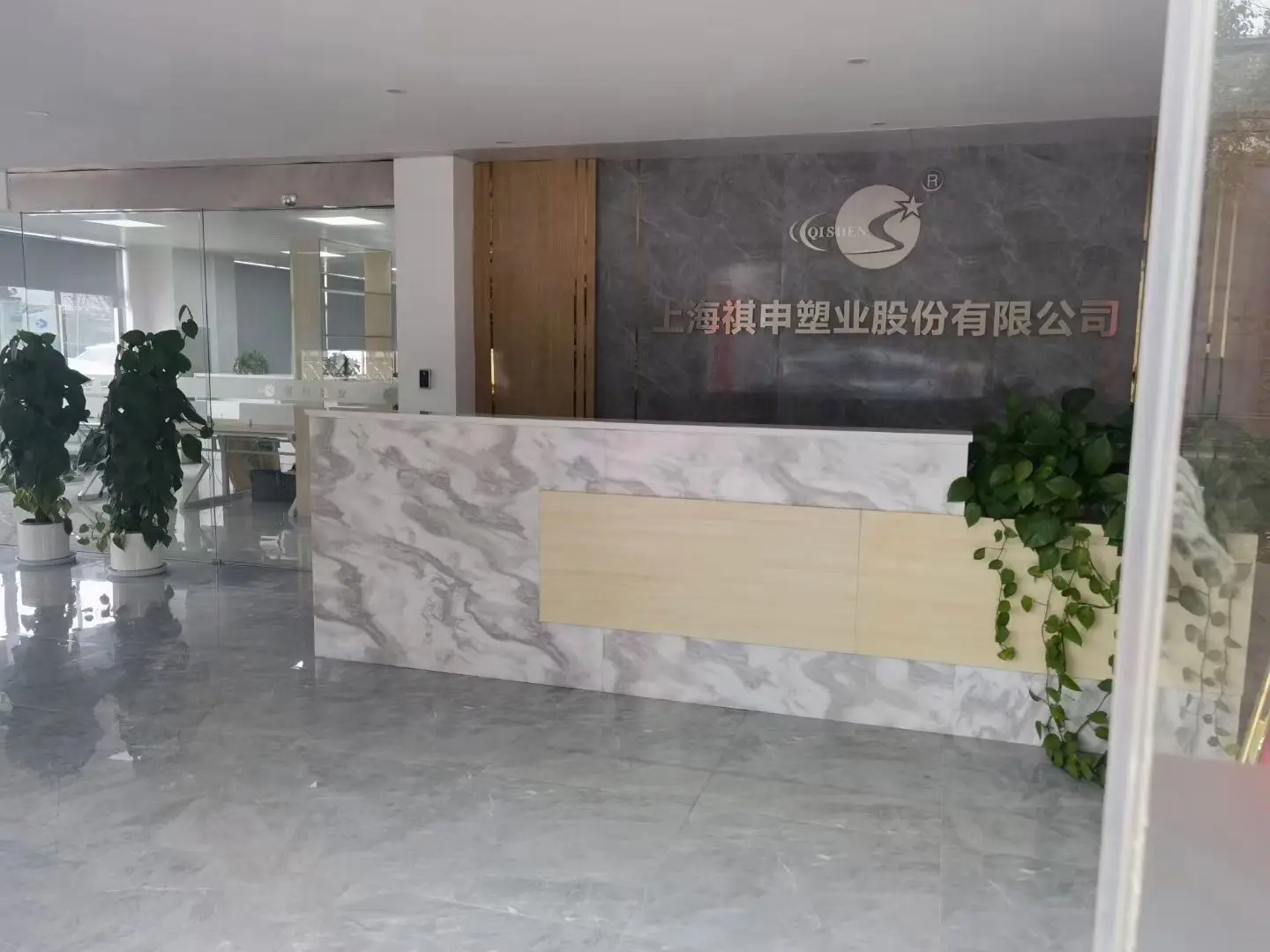
The company provides complete and effective pre-sale services for each customer; at the same time, it guarantees the quality of
each batch of exported goods and provides after-sales service for customers.
each batch of exported goods and provides after-sales service for customers.
Customers&Exhibitions
Qishen's products have been exported to more than 50 countries and regions.
Our customers come from different industries such as electronic technology, medical care,information and communication.We have established long-term relationships with many leading brands through our service and product quality.


Contact Us
FAQ:
Q1. About payment terms
A: We’d like to use T/T, visa, Paypal as the terms of payment About L/C, D/A, D/P terms can communicate.
Q2. About Trade Term
Q2. About Trade Term
A: We accept FOB/CIF/EXW/CNF as trade term.
Q3. Do you provide samples ? is it free or extra ?
A: Yes, we could offer the sample for free charge but do not pay the cost of freight
Q4. How about your delivery time?
A: Generally it is 7-14days, if we have stock. If not, maybe need 15-20 days to arrange the shipping.
Q5. Do you test all your goods before delivery?
A: Yes, we have 100% test before delivery.
A: Yes, we have 100% test before delivery.

We Recommend