

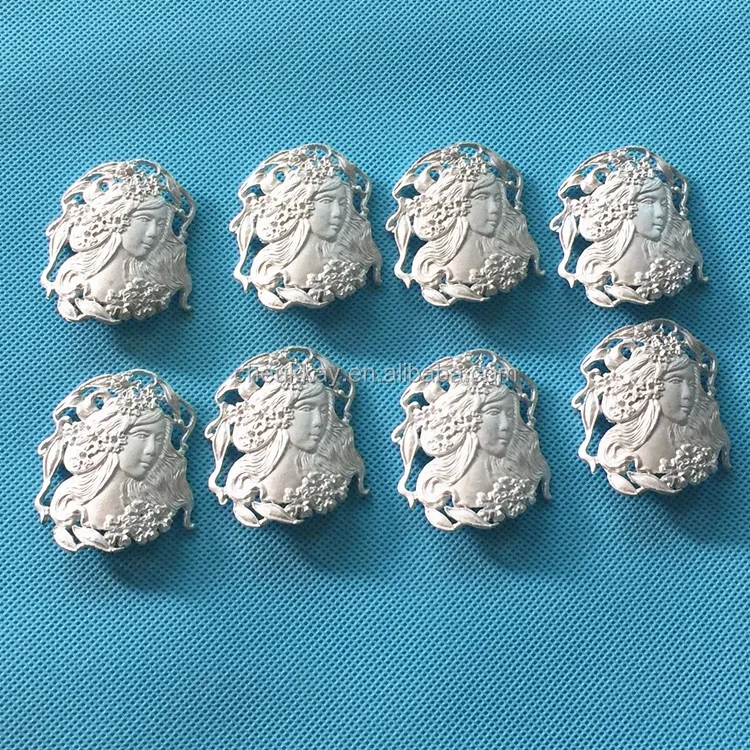
Вращающаяся литейная машина для ювелирных изделий
- Категория товара: >>>
- Поставщик (Оптовый магазин): Dongguan,Cheuk,Kay,Jewelry,Machinery,Co.,Ltd.
Поделиться:
Описание и отзывы
Характеристики
Company Profile

About Us
Cheuk Kay Jewlery Machinery Co., Ltd , found in 2007, Our mission is to meet the demands of customers fully, to provide customers with high-quality products and services
Our products:
1. fusible alloys, include 38 to 280 degrees melting point
2. Spin casting machine、press molding machine、electic furnance and polishing machine etc...
3. Hot chamber and cold chamber die casting machines from 15 tons to 650 tons
4. AB Silincone for spin casting mold
5. Wax injection silicone for Jewelry industry
Contact Us
Phone Number:
Tel phone : +86 768 8115 9171
Cel phone : +86 186 6510 8288
Instant Messaging
We Chat ID: kenbingkai
Whatsapp ID: +86 186 6510 8288
Skype ID: kenxu7512
Mail Box
Mail address: kenxu@bingkaisy.com
Product Paramenters

Model: BKC-880A Centrifugal Casting machine
Maximum diameter of mould: 12-14 inch
Thickness of mould: 0-120mm
Pressure adjustment: 0-7 kg
Voltage/Maximum power: 380V/20KW
Centrifugation rotation number: 50-1400
Power frequency: 50Hz

Model: BKC-630A Centrifugal Casting machine
Maximum diameter of mould: 12-14 inch
Thickness of mould: 0-120mm
Pressure adjustment: 0-7 kg
Voltage/Maximum power: 380V/20KW
Centrifugation rotation number: 50-1400
Power frequency: 50Hz
Model: BKC-630B Centrifugal Casting machine
Maximum diameter of mould: 12-14 inch
Thickness of mould: 0-100mm
Pressure adjustment: 0-7 kg
Voltage/Maximum power: 220V/1.5KW
Centrifugation rotation number: 50-1400
Power frequency: 50Hz

Model: BKC-618A Centrifugal Casting machine
Maximum diameter of mould: 9-18 inch
Thickness of mould: 0-120mm
Pressure adjustment: 0-7 kg
Voltage/Maximum power: 220V/1.5KW
Centrifugation rotation number: 50-1800
Power frequency: 50Hz
Model: BKC-618B Centrifugal Casting machine
Maximum diameter of mould: 9-18 inch
Thickness of mould: 0-120mm
Pressure adjustment: 0-7 kg
Voltage/Maximum power: 220V/1.5KW
Centrifugation rotation number: 50-1800
Power frequency: 50Hz

Model: BKC-815A Centrifugal Casting machine
Maximum diameter of mould: 12-18 inch
Thickness of mould: 0-120mm
Pressure adjustment: 0-7 kg
Voltage/Maximum power: 220V/0.745KW
Centrifugation rotation number: 50-1800
Power frequency: 50Hz
Model: BKC-815B Centrifugal Casting machine
Maximum diameter of mould: 12-18 inch
Thickness of mould: 0-120mm
Pressure adjustment: 0-7 kg
Voltage/Maximum power: 220V/1.5KW
Centrifugation rotation number: 50-1800
Power frequency: 50Hz

Model: BKC-960A Centrifugal Casting machine
Maximum diameter of mould: 12-18 inch
Thickness of mould: 0-120mm
Pressure adjustment: 0-7 kg
Voltage/Maximum power: 220V/0.75KW
Centrifugation rotation number: 50-1800
Power frequency: 50Hz

Model: BKC-580A Silicone vulcanizing machine
Maximum extrusion pressure: 30T/50T
Diameter of mould: 12-16 inch
Thickness of mould: <150mm
Voltage/Maximum power: 380V/9KW
Power frequency: 50Hz

Model: BKC-560A Silicone vulcanizing machine
Maximum extrusion pressure: 30T/50T
Diameter of mould: 12-16 inch
Thickness of mould: <150mm
Voltage/Maximum power: 380V/9KW
Power frequency: 50Hz

Model: BKC-980 Silicone vulcanizing machine
Maximum extrusion pressure: 30T/50T
Diameter of mould: 12-16 inch
Thickness of mould: <150mm
Voltage/Maximum power: 380V/9KW
Power frequency: 50Hz
Color: white and green
Model: BKC-380 melting furnace
Capacity: 120kg
Voltage: 220V/380V
Maximum power: 9KW
Power frequency: 50Hz

Model: BKC-090 melting furnace
Capacity: 100kg
Voltage: 220V/380V
Maximum power: 9KW
Power frequency: 50Hz
Color: white and green
Recommend Products


Applications
Overview
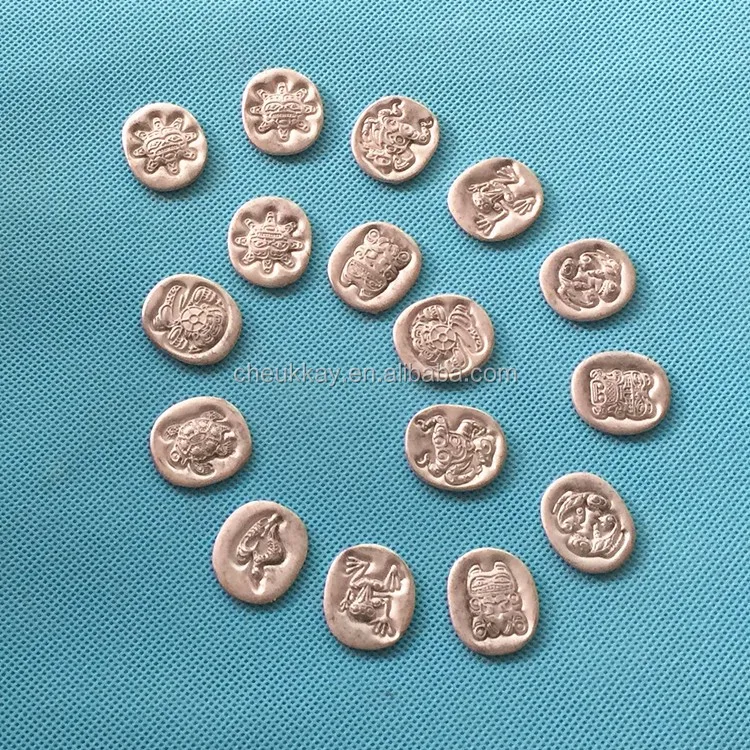
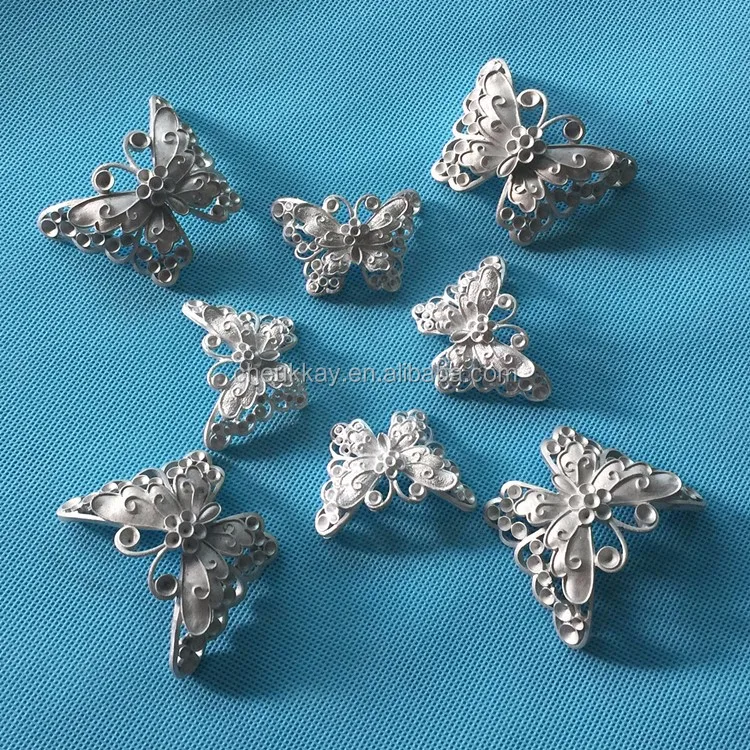
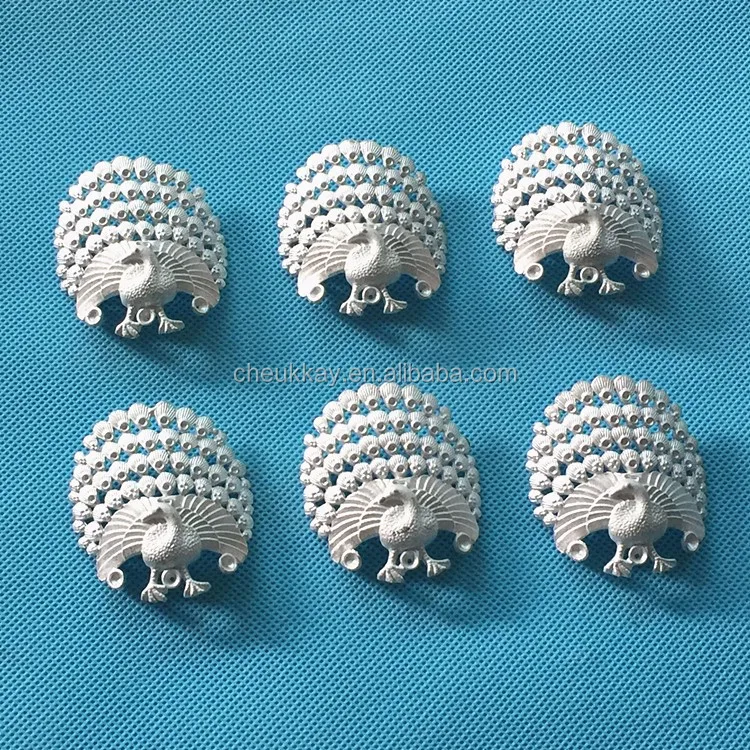
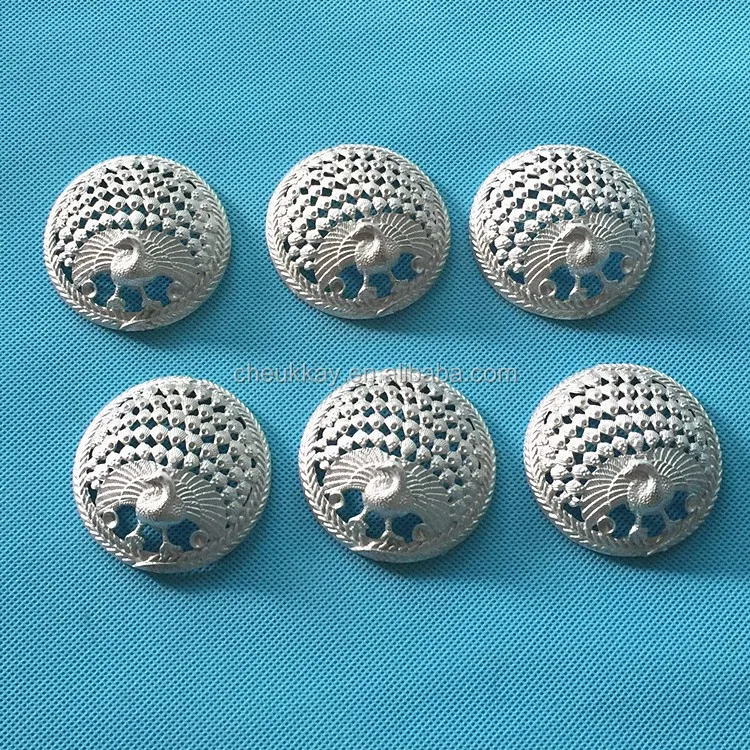
Spin casting, also known as centrifugal rubber mold casting (CRMC), is a method of utilizing centrifugal force to produce castings from a rubber mold. Typically, a disc-shaped mold is spun along its central axis at a set speed. The casting material, usually molten metal or liquid thermoset plastic, is then poured in through an opening at the top-center of the mold. The filled mold then continues to spin as the metal (or thermoset plastic) solidifies.
General description
The two defining characteristics of spin casting are semi-permanent (non-expendable) rubber molds, and the use of centrifugal force. These make the process relatively unique compared to machined die-based and expendable mold casting methods. These qualities enable operators to design original models using media such as polymer clay that has an easy to carve Plasticine like consistency that when heated using a conventional oven, it hardens enough to hold up under the vulcanization process, producing an original mold where models are then cast for the production mold. These qualities also encourage operators to use casting materials specially formulated for low melting points and viscosities. Most spin casting is done with pewter and zinc alloys or thermoset plastics.
Silicone molds
The spin casting process typically uses vulcanized silicone or organic rubber as the mold-making substrate. Vulcanization is an integral step that occurs halfway through the mold-making process. Prior to vulcanization, the mold rubber is a soft and malleable solid-like fluid, in many ways very similar to Silly Putty. Because of the clay-like nature at this stage, the mold is easily cut or shaped to accommodate irregular models. Vulcanization serves two purposes: establishing the negative space inside the mold as well as hardening the rubber so it will remain strong and rigid during casting. After vulcanization, before it is usable, the mold must undergo gating and venting. This involves carving channels to ensure proper air and material flow during the casting process. Gating and venting is typically done by hand using a sharp knife or
scalpel and varies in time depending upon the complexity of the mold. The final product is a cured rubber mold which can withstand anywhere from hundreds to over a thousand casting cycles before replacement is needed.
Casting materials
Metal
Generally, the casting materials used for competing processes like metal die casting and injection molding are similar, but not suitable for spin casting. For example, a typical zinc die-casting alloy such as Zamak 3 can be used but will solidify too rapidly from a molten state when cast with centrifugal force. This typically results in incomplete filling of the mold as well as a rough, porous finish, called orange peel. Zamak 2, of a slightly different composition, was originally developed as a gravity-cast alloy with greater finished strength but was found to work well with spin-casting. Its extra copper content encourages the eutectic behaviour and gives a lower freezing point. It has become known as 'Kirksite' and has given rise to a range of dedicated spin-casting alloys, some with additional components, such as magnesium, to control the surface finish. To ensure replicable casting cycles of accurate reproductions with a high quality finish, the spin casting process requires casting materials with the following qualities, for the following reasons: Low temperature operation - Spin casting is a low temperature process, as overexposure to high temperatures causes the rubber mold to degrade. Depending on the actual compound, the mold may become overly soft or hard while forming cracks and chips. Slow solidification and low viscosity - Uniform and unrestricted flow of the casting material has a substantial effect on the quality and finish of the final items.
Plastic
Aside from the aforementioned metal alloys, thermoset resins and plastics work well with spin casting as they can be introduced as liquids and will set or solidify while the mold spins. In general, spin casting encourages the use of casting materials that are liquid upon introduction to the mold and solidify at a slow, uniform rate during the spin cycle.
Equipment
Spin caster
During the casting process, the finished mold spins along its central axis for anywhere from 30 seconds to several minutes depending upon the chosen casting material. Internally a spin casting machine or spin caster consists of a motor and pressure clamping system which holds and positions the mold properly while it spins at a steady rate. These components are placed inside of a machine body which shields against flashing of molten metal or liquid plastic that is inadvertently ejected from the mold during the spinning process. Without the proper containment, hot melted flashing can be a serious hazard to nearby persons. Commercial spin casting machines are available in two different types, front-loading and top-loading. Owing to the weight and bulkiness of spin casting molds, front loading machines tend to offer several advantages regarding ease of use and time savings. Rubber molds can become quite heavy, especially at larger diameters and when casting metal. Because loading and unloading the caster is performed by hand, it is easiest and less fatiguing to manipulate the mold at waist level in one fluid motion as allowed by a front-loading spin caster. This is important in production spin casting, to maximize the number of casting cycles per hour. Top loading machines tend to be cheaper and theoretically have less of a restriction on maximum mold thickness.
Vulcanizer
Vulcanization is a necessary step to prepare the uncured silicone mold for spin casting. Under controlled heat and pressure the silicone slowly cures to a heat-resistant, flexible, permanent mold. The vulcanizing press or vulcanizer uniformly compresses the mold while exposing it to heat for several hours. The vulcanizer consists of a pair of parallel heated platens mounted on a hydraulic press. Smaller or home-made vulcanizers may compress the mold via screws or a heavy duty clamp instead of hydraulic pressure. Some spin casting operations choose to forgo running their own vulcanizer and procure molds from a supplier.
Melting furnace
A melting furnace is necessary only when spin casting metal. The metal must be molten prior to introduction into the mold. It is necessary for a spin casting furnace to have a temperature controller, as there is an optimal range for each metal. For example, a particular zinc alloy is typically cast between 775 and 800 °F, whereas it actually melts much lower around 500 °F. If the metal is introduced to the mold at a higher temperature (in this case, above 800 °F), it will wear the silicone prematurely, shortening the mold life. If the metal is introduced at significantly lower temperatures (below 775 °F), its solidification time will similarly be shortened resulting in incomplete or low quality castings. Spin casting metal requires a furnace with fine temperature control, and knowledge of proper casting temperature.
Spin casting, also known as centrifugal rubber mold casting (CRMC), is a method of utilizing centrifugal force to produce castings from a rubber mold. Typically, a disc-shaped mold is spun along its central axis at a set speed. The casting material, usually molten metal or liquid thermoset plastic, is then poured in through an opening at the top-center of the mold. The filled mold then continues to spin as the metal (or thermoset plastic) solidifies.
General description
The two defining characteristics of spin casting are semi-permanent (non-expendable) rubber molds, and the use of centrifugal force. These make the process relatively unique compared to machined die-based and expendable mold casting methods. These qualities enable operators to design original models using media such as polymer clay that has an easy to carve Plasticine like consistency that when heated using a conventional oven, it hardens enough to hold up under the vulcanization process, producing an original mold where models are then cast for the production mold. These qualities also encourage operators to use casting materials specially formulated for low melting points and viscosities. Most spin casting is done with pewter and zinc alloys or thermoset plastics.
Silicone molds
The spin casting process typically uses vulcanized silicone or organic rubber as the mold-making substrate. Vulcanization is an integral step that occurs halfway through the mold-making process. Prior to vulcanization, the mold rubber is a soft and malleable solid-like fluid, in many ways very similar to Silly Putty. Because of the clay-like nature at this stage, the mold is easily cut or shaped to accommodate irregular models. Vulcanization serves two purposes: establishing the negative space inside the mold as well as hardening the rubber so it will remain strong and rigid during casting. After vulcanization, before it is usable, the mold must undergo gating and venting. This involves carving channels to ensure proper air and material flow during the casting process. Gating and venting is typically done by hand using a sharp knife or
scalpel and varies in time depending upon the complexity of the mold. The final product is a cured rubber mold which can withstand anywhere from hundreds to over a thousand casting cycles before replacement is needed.
Casting materials
Metal
Generally, the casting materials used for competing processes like metal die casting and injection molding are similar, but not suitable for spin casting. For example, a typical zinc die-casting alloy such as Zamak 3 can be used but will solidify too rapidly from a molten state when cast with centrifugal force. This typically results in incomplete filling of the mold as well as a rough, porous finish, called orange peel. Zamak 2, of a slightly different composition, was originally developed as a gravity-cast alloy with greater finished strength but was found to work well with spin-casting. Its extra copper content encourages the eutectic behaviour and gives a lower freezing point. It has become known as 'Kirksite' and has given rise to a range of dedicated spin-casting alloys, some with additional components, such as magnesium, to control the surface finish. To ensure replicable casting cycles of accurate reproductions with a high quality finish, the spin casting process requires casting materials with the following qualities, for the following reasons: Low temperature operation - Spin casting is a low temperature process, as overexposure to high temperatures causes the rubber mold to degrade. Depending on the actual compound, the mold may become overly soft or hard while forming cracks and chips. Slow solidification and low viscosity - Uniform and unrestricted flow of the casting material has a substantial effect on the quality and finish of the final items.
Plastic
Aside from the aforementioned metal alloys, thermoset resins and plastics work well with spin casting as they can be introduced as liquids and will set or solidify while the mold spins. In general, spin casting encourages the use of casting materials that are liquid upon introduction to the mold and solidify at a slow, uniform rate during the spin cycle.
Equipment
Spin caster
During the casting process, the finished mold spins along its central axis for anywhere from 30 seconds to several minutes depending upon the chosen casting material. Internally a spin casting machine or spin caster consists of a motor and pressure clamping system which holds and positions the mold properly while it spins at a steady rate. These components are placed inside of a machine body which shields against flashing of molten metal or liquid plastic that is inadvertently ejected from the mold during the spinning process. Without the proper containment, hot melted flashing can be a serious hazard to nearby persons. Commercial spin casting machines are available in two different types, front-loading and top-loading. Owing to the weight and bulkiness of spin casting molds, front loading machines tend to offer several advantages regarding ease of use and time savings. Rubber molds can become quite heavy, especially at larger diameters and when casting metal. Because loading and unloading the caster is performed by hand, it is easiest and less fatiguing to manipulate the mold at waist level in one fluid motion as allowed by a front-loading spin caster. This is important in production spin casting, to maximize the number of casting cycles per hour. Top loading machines tend to be cheaper and theoretically have less of a restriction on maximum mold thickness.
Vulcanizer
Vulcanization is a necessary step to prepare the uncured silicone mold for spin casting. Under controlled heat and pressure the silicone slowly cures to a heat-resistant, flexible, permanent mold. The vulcanizing press or vulcanizer uniformly compresses the mold while exposing it to heat for several hours. The vulcanizer consists of a pair of parallel heated platens mounted on a hydraulic press. Smaller or home-made vulcanizers may compress the mold via screws or a heavy duty clamp instead of hydraulic pressure. Some spin casting operations choose to forgo running their own vulcanizer and procure molds from a supplier.
Melting furnace
A melting furnace is necessary only when spin casting metal. The metal must be molten prior to introduction into the mold. It is necessary for a spin casting furnace to have a temperature controller, as there is an optimal range for each metal. For example, a particular zinc alloy is typically cast between 775 and 800 °F, whereas it actually melts much lower around 500 °F. If the metal is introduced to the mold at a higher temperature (in this case, above 800 °F), it will wear the silicone prematurely, shortening the mold life. If the metal is introduced at significantly lower temperatures (below 775 °F), its solidification time will similarly be shortened resulting in incomplete or low quality castings. Spin casting metal requires a furnace with fine temperature control, and knowledge of proper casting temperature.
Related Products
B silicone
A silicone
B silicone


Our Advantages
Training
Our client can send people to learn the mould make, casting process, or we can teach client how to do after buying machine
Quality
Our machine clients cover all of the world, Customer satisfaction reaches 100%
Service
According to clients requirements, we can custom-made all of alloys, and we can help clients how to use it
Product packaging

222
Sturdy Wooden Box Packaging
According to clients requirement, we can ship by sea or by air
FAQ
FAQ:
Q:Are you factory?
A:YES,We are a manufacturer factory,we are plant area one thousand square,and we are keeping extend our plant,we have more than 100 employees in different department.
Q;What is your payment terms
A:Generally bank transfer 40% deposit it,the balance should be paid by bank transfer before shipment.
Q:Can I visit your factory or office?
A:yes,you can.welcome,please try to contact our staff first by email or telephone.
Q:Can you produce the goods as customers design?
A:Welcome you send us the design or sample,we will calculated the cost and unit price to you soon.
Q:How about the products packing?
A:Packing as the different products and different size.we have professional export design packing for our customer,and we could as customer required.


